

The incident occurred on Wednesday morning in the Kampani community in the Wase area of Plateau State and also left 25 people hospitalised, Reuters reported, citing a police source and a security document obtained by the agency
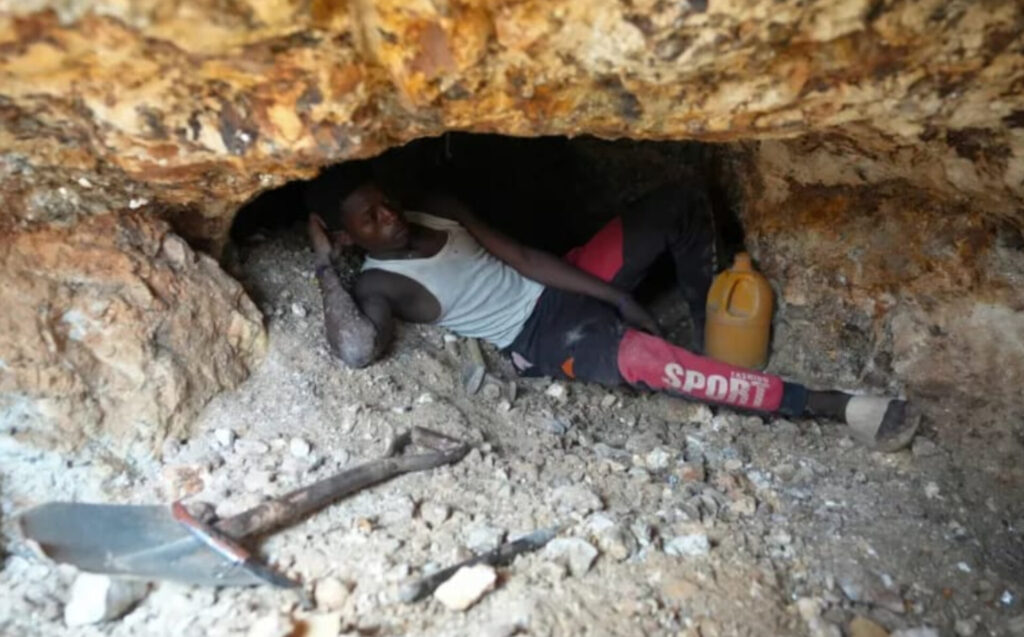
At least 37 miners have died from carbon monoxide poisoning at a mining site in central Nigeria, according to Reuters.
The incident occurred on Wednesday morning in the Kampani community in the Wase area of Plateau State and also left 25 people hospitalised, Reuters reported, citing a police source and a security document obtained by the agency.
Government officials said the location was an inactive lead mine where accumulated minerals released toxic fumes.
The Plateau State government said many were feared dead without providing an exact figure, adding that others were receiving treatment at nearby hospitals.
Security forces have since sealed off the site to prevent further access.
Nigeria’s Minister of Solid Minerals, Dele Alake, said the accident happened when local villagers, unaware of the danger, entered the tunnel to extract minerals and inhaled the gas.
Illegal mining remains widespread in Nigeria, where many operations lack adequate government oversight and basic safety standards.
The federal government has ordered an immediate suspension of mining activities around the accident site to enable a full investigation, Reuters said.
Plateau State is historically known for mining, with its capital, Jos, often referred to as the Tin City, although mining activity has declined in recent years.
Nigeria has experienced similar tragedies in the past, including an accident in Zamfara State last year that killed at least 18 people when a boulder crashed into an illegal mine during heavy rains.
Across Africa, mining disasters continue to occur in both regulated and unregulated operations.
Last month, about 200 people were killed in a collapse at the Rubaya coltan mine in eastern Democratic Republic of the Congo.
The mine, located roughly 60km northwest of Goma in North Kivu province, collapsed following a landslide.
Rubaya produces about 15 percent of the world’s coltan, which is refined into tantalum a heat-resistant metal widely used in mobile phones, computers, aerospace components and gas turbines.
Join us on our WhatsApp Platform @KOIKIMEDIA NEWS YOUR PAGE
koikimedia Bringing the World 🌎 Closer to Your Doorstep