

By Asaye Bankole
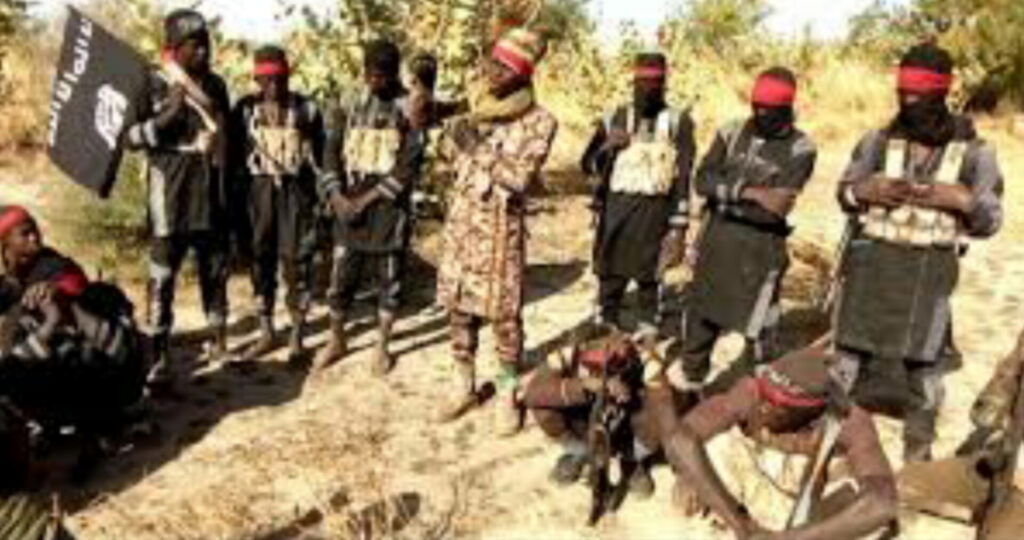
The Nigerian Financial Intelligence Unit (NFIU) has uncovered a vast network of individuals, companies, and international partners involved in financing and supporting Boko Haram, highlighting the depth and complexity of the group’s financial operations.
The NFIU report emphasizes that Boko Haram relies heavily on financial and logistical networks to sustain its operational, organizational, and personal activities. Disrupting these networks is considered crucial for national security and for safeguarding development efforts.
After receiving presidential approval on January 10, 2020, the NFIU took full responsibility for investigating Boko Haram’s financing. The unit reviewed suspicious transaction reports submitted by financial institutions, examined the records of six Nigerians convicted in the United Arab Emirates in 2019 for terrorism financing, and analyzed intelligence from the Nigerian Army and other law enforcement agencies.
In April 2017, six Nigerians were arrested in Dubai on allegations of money laundering and terrorist financing. In 2019, the Abu Dhabi Federal Appeal Court convicted them under UAE counter-terrorism laws for financing terrorist organisations abroad and for being members or agents of Boko Haram.
Their sentences were as follows:
Saluhu Yusuf Adamu – life imprisonment
Surajo Abubakar Muhammad – life imprisonment
Ibrahim Aliyu Alhassan 10 years imprisonment
Abdurrahman Ado Musa 10 years imprisonment
Bashir Aliyu Yusuf 10 years imprisonment
Muhammad Ibrahim Isa 10 years imprisonment
This marked a major legal step by the UAE against individuals linked to Boko Haram’s international operations.
The NFIU’s analysis also included open-source information such as United Nations Security Council reports, social media research, and intelligence shared by financial intelligence units in Germany, the Czech Republic, Rwanda, Benin, Cameroon, and Niger.
Individuals Linked to Financing Boko Haram
The report identified 96 individuals involved in Boko Haram’s financing across Nigeria.
These suspects operate in key cities and states including Abuja (FCT), Yola (Adamawa), Maiduguri (Borno), Zaria (Kaduna), Kano, Ilorin (Kwara), Lagos, Sokoto, Gusau (Zamfara), and Niger State.
Kano State had the highest number, with 58 suspects identified.
Some of the individuals named in the report include:
Ibrahim Mohammed, Umar Abubakar, Haruna Muhammad, Mustapha Sani, Sulaiman Sani, Faiza Salihu, Sumayya Ahmed Tata, Mohammed Sani Alison, Abubakar Sani, Sale Danladi Samaila, Rabiu Abdulmalik, Mustapha Adamu Musa, Aliyu Danladi Samaila, and several others operating across different regions.
The investigation also found that many companies connected to these individuals played a role in facilitating financial transactions.
These businesses range from trading companies and general enterprises to automobile services, mining firms, jewellery stores, and especially Bureau De Change (BDC) operations.
Companies directly owned by suspects include:
Yaura Bureau De Change Nigeria Ltd
Mussa Emma Bureau De Change Ltd
Alfa Exchange Bureau De Change Ltd
Danwali Bureau De Change Ltd
Fankes Bureau De Change Ltd
Other BDCs reportedly used by suspects include:
Amax Cash BDC Ltd, Aminchi Global Commercial BDC Ltd, Algaje BDC Ltd, Kanari BDC Ltd, and As Sunnah BDC Ltd.
Additional Nigerian and foreign-linked companies involved span a wide range of commercial activities. Notable firms include Abubakar Hamid International, Abubakar Zakari G. Enterprises, Al-Mustaqbal Enterprises, Amg Mining and Gems Store Ltd, Anytime Money Enterprise, Bilkusu Jewelries General Enterprises, Dan Sambo Enterprises Nigeria Ltd, Dafu Investment and Development Nigeria Ltd, Golden Mushaj International, and Zeecall Communications Ltd, among others.
Bank Accounts and Financial Tracing
The financial investigation tracked 1,801 bank accounts across 18 Nigerian financial institutions, including Access Bank, Citibank, Diamond Bank, Ecobank, FCMB, Fidelity Bank, First Bank, GTBank, Heritage Bank, Jaiz Bank, Keystone Bank, Polaris Bank, Rand Merchant Bank, Stanbic IBTC, Sterling Bank, UBA, Union Bank, and Zenith Bank.
This comprehensive review of account activity enabled investigators to map the connections between individuals, companies, and the flow of funds that supported Boko Haram’s activities.
International Links and Affiliates
The NFIU’s investigation shows that Boko Haram’s financing network stretches far beyond Nigeria.
A total of 18 foreign individuals were identified as sponsors, financiers, or facilitators, with links to countries such as Rwanda, Niger, Dubai, the United Arab Emirates, India, Cameroon, Benin Republic, and Uganda.
Companies connected to these international actors include Nabil Mass Business Company (UAE), Nury Salihu General Trading Company (UAE), Kofar Ruwa Company (UAE), Alfa Exchange, Desert Exchange, Eagle Square General Trading LLC (UAE), and Vinayak Pharma Chem Equipment (India).
Connections to Kidnappers and Bandits
The report also uncovered ties between Boko Haram’s financial network and well-known kidnappers and bandits. Some of the individuals identified include:
Samaila Ibrahim, Ibrahim Ummaru, Aliyu Abubakar Umar, Bello Imran, Dadaki Sada Musa, Samaila Hamisu, Umar Sani, Ramada Soja, Yahaya Galadima, Garba Mohammed Gongola, Shiban Tikari, Adamu Barkindo, Ado Aliero, Dogo Gide, Babuga (alias Mebuta Kmgt), Buhari Janar, and Alias Yelo Babuga.
The report further highlights the involvement of informants and collaborators within the security sector. Those identified include Ashiru Salisu, Hamisu Lawan Abubakar, Aliyu Muhammed, Musa Gobara, Adamu Bala, Alias Hamisu Mopol, Sule Nasiru Ringim, and Tijani Hussaini Dibal. This reflects the deep and often hidden connections between criminal groups and terrorist organisations.
Geographical Spread of Activities
The financing network operates across several major Nigerian cities, with the highest concentration in Kano, and additional activity in Abuja, Lagos, Ilorin, Zaria, Maiduguri, Gusau, Sokoto, and parts of Niger State.
Internationally, affiliated individuals and companies were traced to the UAE, Dubai, India, Rwanda, Cameroon, Benin Republic, Niger, and Uganda.
Conclusion
The NFIU report highlights the crucial role of financial intelligence in combating terrorism. By uncovering the individuals, companies, financial institutions, and international partners involved in supporting Boko Haram, the report provides law enforcement and intelligence agencies with a vital roadmap for disrupting the financial systems that keep the group operational.
Credit:Sahara Reporters.
Join us on our WhatsApp Platform @KOIKIMEDIA NEWS YOUR PAGE
KoikiMedia Bringing the World 🌎 Closer to Your Doorstep