

The meeting will focus on U.S. negotiations with Iran. Netanyahu wants Tehran to agree to limits on its ballistic missiles and to end support for regional groups such as Hamas and Hezbollah, according to the Prime Minister’s Office (PMO)
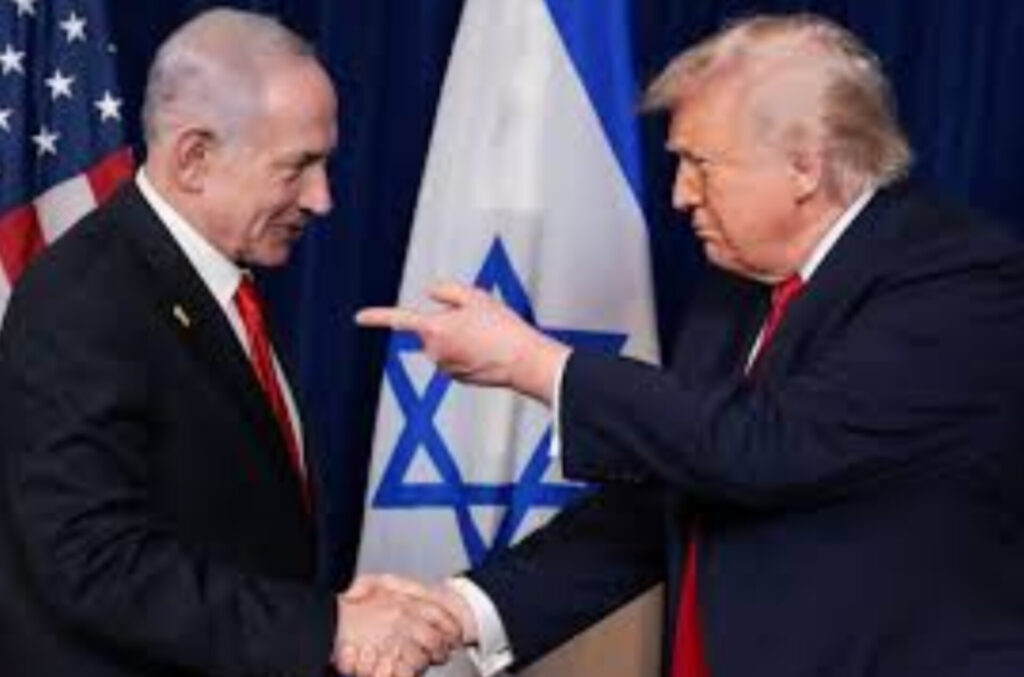
Israeli Prime Minister Benjamin Netanyahu will travel to the United States to meet President Donald Trump, following confirmation that the U.S. plans to continue discussions with Iran after recent weekend talks in Oman, Netanyahu’s office said.
The meeting will focus on U.S. negotiations with Iran. Netanyahu wants Tehran to agree to limits on its ballistic missiles and to end support for regional groups such as Hamas and Hezbollah, according to the Prime Minister’s Office (PMO).
This will mark the seventh meeting between Trump and Netanyahu since the U.S. president returned to office last year. Analysts suggest Netanyahu is likely to urge Trump to take a hard line on Iran’s missile program, which Tehran considers a red line.
Iranian Foreign Minister Abbas Araghchi has emphasized that talks will remain focused on the nuclear issue, not missiles, which he described as “non-negotiable.”
President Masoud Pezeshkian described the indirect Oman talks on Friday as a “step forward” and reiterated Iran’s preference for dialogue.
“Our reasoning on the nuclear issue is based on the rights stipulated in the Non-Proliferation Treaty,” he wrote on X.
“The Iranian nation responds to respect with respect but cannot withstand the language of force.”
Iranian officials have indicated they are willing to negotiate on nuclear issues only, while opposing a large U.S. military presence in the region.
Although both Israel and the U.S. are opposed to Iran’s regional ambitions, Israel has taken a stricter stance on the negotiations.
Trump said the last round of Oman talks was “very good” and that Iran “looks like it wants to make a deal very badly.” He added: “If they don’t make a deal, the consequences are very steep.”
The U.S.-Iran negotiations follow weeks of President Trump warning of military action if Iran failed to reach a deal. He increased pressure by sending an aircraft carrier and accompanying warships to the Middle East.
World powers and regional states fear that a breakdown in talks could spark wider conflict across the oil-rich region.
Iranian Foreign Minister Abbas Araghchi described the discussions as “a good start” but cautioned that “there is a long way to go to build trust.”
Trita Parsi, cofounder of the Quincy Institute for Responsible Statecraft, a foreign policy think tank, noted that the success of the U.S.-Iran talks could depend on whether Washington concentrates on achievable nuclear demands or adopts Israel’s more maximalist approach.
Join us on our WhatsApp Platform @KOIKIMEDIA NEWS YOUR PAGE
koikimedia Bringing the World 🌎 Closer to Your Doorstep