

According to data from the National Bureau of Statistics (NBS), the average cost of refilling a 12.5kg cooking gas cylinder has climbed to over ₦22,000, with gas selling for as much as ₦2,000 per kilogram in many areas and up to ₦3,000 per kilogram in some northern border communities.
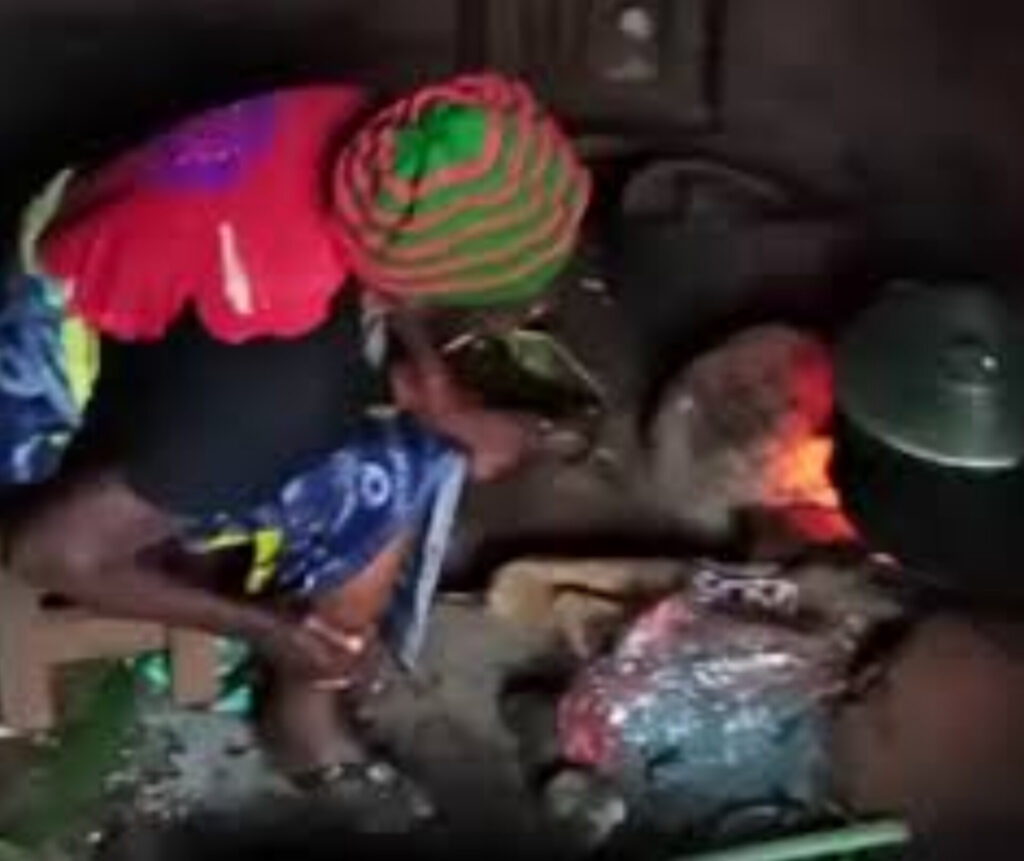
Rising cooking gas and kerosene prices are forcing many Nigerian households to abandon cleaner energy sources and return to using firewood for cooking.
According to data from the National Bureau of Statistics (NBS), the average cost of refilling a 12.5kg cooking gas cylinder has climbed to over ₦22,000, with gas selling for as much as ₦2,000 per kilogram in many areas and up to ₦3,000 per kilogram in some northern border communities.
Kerosene has also become increasingly unaffordable, with retail prices approaching ₦4,000 per litre in states such as Sokoto, Kebbi, and Lagos.
As a result, families and small businesses are switching back to firewood to cut costs. Many food vendors who previously relied on cooking gas are now using firewood to keep their businesses running.
Residents say the soaring energy costs have made it difficult to prepare meals, especially foods that require long cooking times.
Some describe the situation as a major setback for a country with vast natural gas reserves.
Industry experts blame the crisis on Nigeria’s dependence on imported LPG, foreign exchange challenges, high transportation costs, and inadequate local gas processing infrastructure.
Environmental and health experts warn that the growing reliance on firewood could increase deforestation and expose millions of people, especially women and children, to harmful smoke-related illnesses.
Join us on our WhatsApp Platform @KOIKIMEDIA NEWS YOUR PAGE
koikimedia Bringing the World 🌎 Closer to Your Doorstep