
Finance Minister Wale Edun told Channels Television on Wednesday that the government will instead roll out initiatives to cushion Nigerians from the impact of the conflict involving the United States, Israel, and Iran
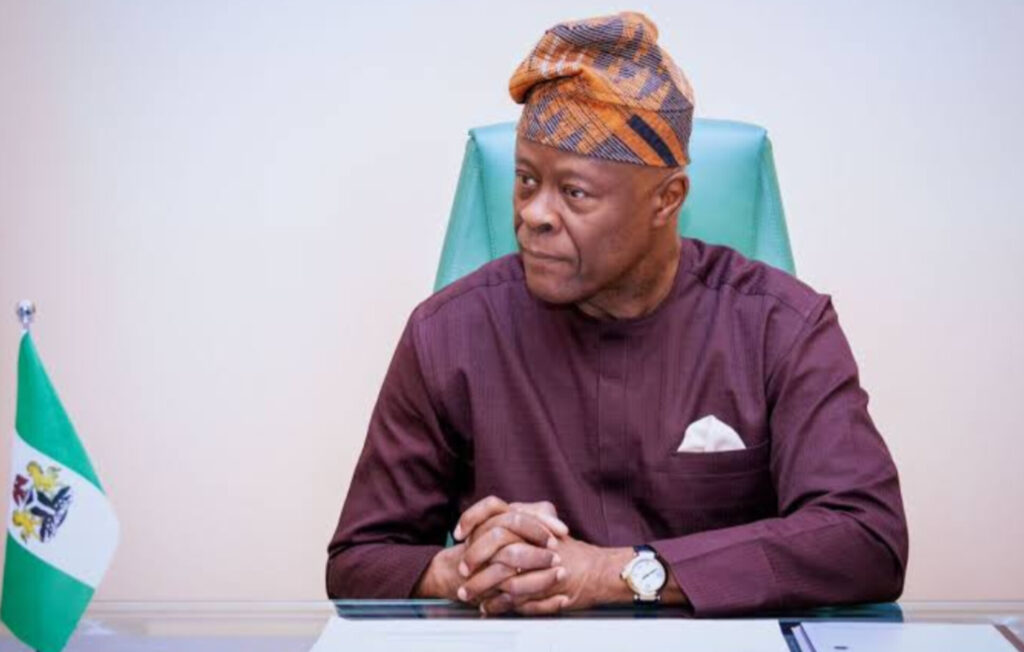
The federal government has said it will not intervene to regulate petrol prices, despite rising tensions in the Middle East causing volatility in global oil markets.
Finance Minister Wale Edun told Channels Television on Wednesday that the government will instead roll out initiatives to cushion Nigerians from the impact of the conflict involving the United States, Israel, and Iran.
Edun highlighted that President Bola Tinubu has approved 100,000 additional compressed natural gas (CNG) conversion kits to help vehicles switch to the cheaper fuel, which costs about 25 to 30 per cent of petrol’s price.
He said the government prefers such measures “rather than interfering with an orderly market pricing,” adding that regulators only step in when there is market failure.
“When there is market failure, the regulator steps in. For now, we are focused on managing the disruption, which may be temporary or permanent,” Edun said.
The Middle East conflict has sent crude oil prices past $100 per barrel on March 9 — the highest since July 2022 — before easing to $87 the following day.
The Finance Ministry warned that the war could affect Nigeria’s crude oil and gas prices, capital flows in financial markets, and global logistics costs.
The surge in petrol prices has pushed pump prices higher, with transport fares doubling on some major routes.
Refineries’ pricing driven by market forces
Edun noted that petrol price adjustments by private operators, particularly Dangote refinery, reflect market conditions. On Tuesday, Dangote reduced its ex-gantry price to N1,075 per litre after three previous increases, although retail prices remain elevated.
The minister said President Tinubu’s market-based pricing policy — long absent in Nigeria — ensures the market moves dynamically.
“Dangote reduced their price from around N1,200 to just over N1,000 to N1,050. That is the market in action,” he said.
Edun added that Nigeria’s resilience is largely due to private sector refining investment, especially by Aliko Dangote, and urged support for local refiners to maintain a steady petroleum supply.
Join us on our WhatsApp Platform @KOIKIMEDIA NEWS YOUR PAGE
koikimedia Bringing the World 🌎 Closer to Your Doorstep