

Reports indicate that many are avoiding public spaces, limiting movement, and relying on home-based or informal businesses to survive.
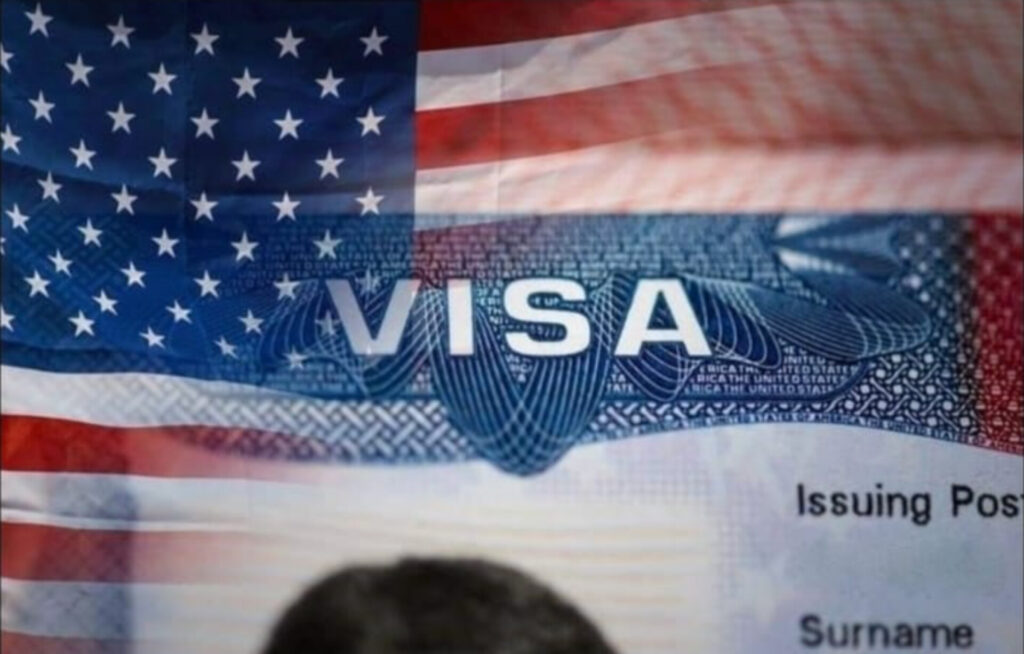
Nigerian immigrant communities across the United States are living in fear as a renewed immigration enforcement drive under President Donald Trump intensifies, forcing some Nigerians into hiding, off the streets, out of work, and, in certain cases, back to Nigeria through self-arranged departures.
Reports indicate that many are avoiding public spaces, limiting movement, and relying on home-based or informal businesses to survive.
The enforcement surge, led by Immigration and Customs Enforcement (ICE), has included door-to-door raids that disrupt daily life.
Since Trump’s inauguration in January 2025, the administration has escalated efforts to arrest and deport undocumented immigrants, a policy widely criticised by civil rights groups and immigrant advocates for excessive force and inhumane treatment of detainees.
Deadly incidents have heightened fear. Official data shows that at least 32 people died in ICE custody in 2025, marking the deadliest year for immigration detention deaths in over two decades.
In 2026, the UK’s Guardian reports at least eight more deaths linked to ICE operations.
Minneapolis has been a flashpoint, with Renée Good, 37, and Alex Pretti, 37, killed in separate federal immigration operations in January 2026.
The human impact of the raids has been stark.
A Nigerian woman, identified as Senior Immigrant, described how fear of arrest has driven Nigerians into online trading, home-based businesses, and avoiding regular employment.
She cited examples of a shop assistant and factory workers who stopped reporting to work due to ICE activity in New Jersey. “It is very traumatising the way these [ICE] people are treating immigrants,” she said.
“There are a lot of immigrants who are treated like animals…they don’t even care.”
Community leaders say many Nigerians are choosing to hide rather than return home, fearing economic and security challenges in Nigeria.
Mrs Chris Ademiluyi, President of the Nigerian community in Maryland, said organisations are providing support where possible, though some affected individuals prefer to remain anonymous.
Social media has amplified concerns. Pastor Shola Adeoye of Lighthouse/Rejuvenation Church, Texas, warned that fear-driven decisions could have lasting consequences, while users debated the psychological toll of forced or rushed returns.
Beyond enforcement raids, policy shifts have added to the pressure. Mr Gbenga Ogunjimi, Executive Director of the Nigerian Center in Washington, DC, noted visa restrictions, partial bans, and limitations on citizenship and work authorisation applications.
He said voluntary departures are increasingly common, though his organisation advises immigrants not to leave hastily, as waivers may still be possible.
As ICE operations continue, uncertainty remains the reality for many Nigerians in the U.S., torn between fear of arrest abroad and harsh conditions at home.
Join us on our WhatsApp Platform @KOIKIMEDIA NEWS YOUR PAGE
koikimedia Bringing the World 🌎 Closer to Your Doorstep