

Alliance says self-determination is the only viable route out of Nigeria’s worsening security and legitimacy crisis
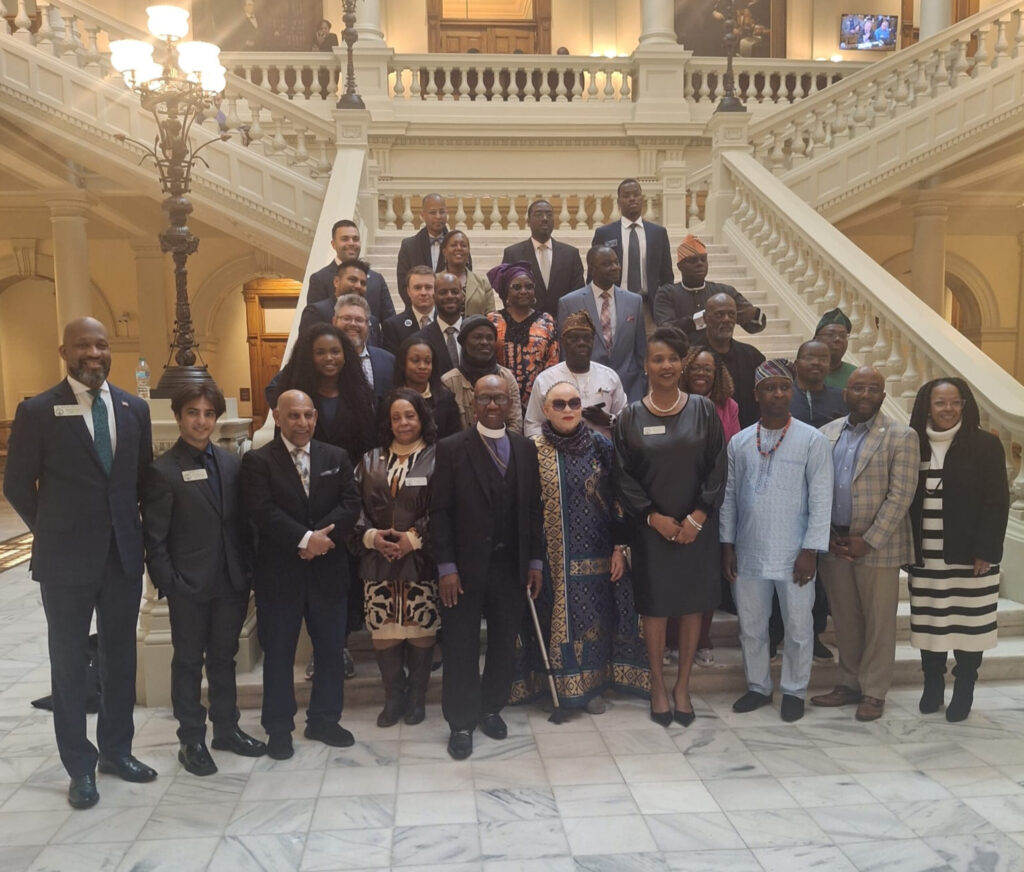
United States – The Coalition for De-Amalgamation and Security (CODES), a broad alliance of indigenous civil forces and ethnic nationalities, has declared that Nigeria has become structurally unviable under its present political arrangement, insisting that peaceful self-determination offers the most realistic path to security, justice and lasting peace.
The position was outlined in a communiqué released on Friday at the end of a world conference and international press briefing held via Zoom. During the briefing, the coalition accused the Nigerian state of a fundamental failure to protect lives and uphold justice amid escalating violence, displacement and humanitarian distress.
According to CODES, Nigeria’s continued existence is sustained “not by truth, justice or the consent of the people, but by systemic denial and institutionalised falsehood,” a situation it says has fuelled insecurity and eroded public trust in the state.
The communiqué was jointly signed by leading figures from the Oduduwa (Yorùbá) and Biafran (Igbo) self-determination movements. Signatories include Prof. Banji Akintoye, leader of the Oduduwa (Yoruba Nation Self-Determination Movement); Chief Sunday Adeyemo (Sunday Igboho), leader of the Yoruba National Community Defence; Architect George Akinola, deputy leader of the Yoruba Self-Determination Movement (Homeland); and Dr. Kayode Emola, deputy leader of the movement in the Diaspora.
Also endorsing the statement were Mazi Nnamdi Kanu, leader of the Indigenous People of Biafra (IPOB); Mazi Tony Nwisi, chairman of the Igbo Global Network–IPOB; as well as Mazi Emmanuel Kanu, Mazi Ositadimma Igenu and Prof. Chinedu Agbodike, all acting under the umbrella of CODES.
Addressing international media, the coalition described the alliance between the Oduduwa and Biafra nations as historic and driven by urgent security concerns, stressing that the collaboration is neither extremist nor violent.
“Our partnership reflects not extremism, but deep frustration with deception and insecurity, and a lawful insistence on dignity, safety and political consent,” the coalition said.
CODES noted that its De-Amalgamation Congress remains open to other indigenous nations across Nigeria, describing the initiative as a non-violent, lawful and internationally recognised exercise of the right to self-determination.
The coalition accused successive Nigerian governments of concealing mass atrocities and misleading both citizens and the international community about the scale of violence across the country. It argued that this culture of denial has displaced accountability and stripped the state of moral legitimacy, creating a situation where “fear has replaced citizenship.”
Tracing Nigeria’s instability to the 1914 colonial amalgamation and decades of post-independence centralisation, CODES maintained that the country was formed without the consent of its constituent peoples and has been sustained largely through coercion rather than agreement.
“A state founded without consent cannot indefinitely survive against the will of its peoples,” the communiqué stated, adding that years of corruption, political exclusion and persistent insecurity have destroyed confidence in the federal arrangement.
The statement highlighted recurring violence in the Middle Belt, the South-East and other regions, alleging state complicity, selective enforcement of the law or outright inaction in the face of attacks by armed groups.
“Across vast areas of Nigeria, communities have been violently displaced from their ancestral lands, yet perpetrators are rarely prosecuted and victims are seldom resettled,” the coalition said, describing the situation as an existential security crisis marked by terrorism, mass displacement and selective justice.
CODES also condemned what it described as the persecution of non-violent self-determination advocates, noting that while armed actors often operate with impunity, peaceful activists face aggressive state action.
“While violent actors roam free, peaceful advocates such as Mazi Nnamdi Kanu and Chief Sunday Igboho are pursued with extraordinary state resources,” the coalition said, arguing that this selective application of the law has further damaged public confidence in the state.
Invoking international law, CODES said its demands are grounded in global legal frameworks, including the United Nations Charter, the International Covenant on Civil and Political Rights and the African Charter on Human and Peoples’ Rights.
The coalition warned that peaceful self-determination represents the only immediate, non-violent escape from a looming national catastrophe, cautioning that a full-scale conflict in Nigeria could trigger severe humanitarian and migration crises with global repercussions.
Among its demands, CODES called for international recognition of the Biafra and Oduduwa nations, the immediate release of individuals detained solely for self-determination advocacy, and an end to the pursuit of Chief Sunday Igboho. I
t also urged the establishment of United Nations-recognised referendum processes for indigenous nations seeking self-rule, international investigations into alleged mass killings and state complicity, and urgent protection for vulnerable and displaced communities.
The coalition emphasised that the Biafra–Oduduwa alliance is not a call to violence.
“This is not a declaration of war, but a declaration of truth, dignity and peaceful intent,” the communiqué stated.
“Forced unity has failed. Silence has failed. Repression has failed. Peaceful self-determination remains the only path to lasting peace, stability and regional security.”
Join us on our WhatsApp Platform @KOIKIMEDIA NEWS YOUR PAGE
koikimedia Bringing the World 🌎 Closer to Your Doorstep