Physical Address
304 North Cardinal St.
Dorchester Center, MA 02124
Physical Address
304 North Cardinal St.
Dorchester Center, MA 02124

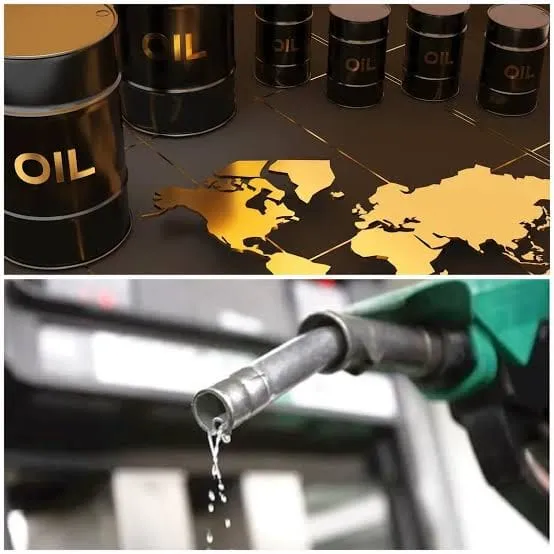
Nigeria could be heading for a significant increase in oil revenues following the latest surge in international crude prices above $100 per barrel, although the development could also expose the country to renewed pressure on fuel prices, inflation and business operating costs.
The sharp increase in crude prices was triggered by escalating hostilities between the United States and Iran, with growing concerns that the conflict could disrupt crude production, shipping routes and critical energy infrastructure across the Middle East.
Latest market data showed that the Organisation of Petroleum Exporting Countries (OPEC) Basket, which includes Nigeria’s Bonny Light, rose by 8.76 per cent to $106.30 per barrel, compared with prices of above $90 per barrel previously.
The price rally has strengthened the outlook for oil-producing countries such as Nigeria, particularly because the current international price is significantly higher than the $64.85 per barrel benchmark contained in Nigeria’s 2026 budget.
Potential boost to government revenue
The widening gap between the budget benchmark and the prevailing market price could provide Nigeria with a major fiscal advantage if crude prices remain elevated.
Higher crude prices could translate into increased government earnings from petroleum-sector royalties, taxes and other oil-related revenues. Stronger export receipts could also improve foreign-exchange inflows and provide the government with additional financial resources to meet infrastructure needs, debt obligations and other expenditures.
However, the extent of the expected windfall will depend heavily on Nigeria’s ability to maintain and increase crude oil production. Persistent challenges, including underinvestment and other operational constraints, could limit the country’s capacity to fully benefit from the higher prices.
Higher oil earnings could support the naira
The increase in crude prices could also have positive implications for Nigeria’s foreign-exchange market.
Speaking with Journalists, the National President of the Oil and Gas Services Providers Association of Nigeria (OGSPAN), Mazi Colman Obasi, said increased oil earnings could strengthen the country’s external position by generating more dollar inflows and improving foreign-exchange liquidity.
According to him, stronger foreign-exchange inflows could provide some support for the naira and make it easier for businesses that depend on imports and international transactions to access dollars.
He, however, cautioned that the impact would ultimately depend on Nigeria’s actual crude production levels, export earnings and the volume of foreign exchange that eventually enters the domestic market.
Fuel prices may come under renewed pressure
While higher crude prices could benefit government revenue, they could also create challenges for consumers and businesses.
Obasi explained that rising international crude prices generally lead to increases in the cost of refined petroleum products, potentially putting additional pressure on the prices of petrol, diesel and aviation fuel if the geopolitical crisis continues.
Nigeria’s growing domestic refining capacity could provide some protection against external shocks, particularly as the Dangote Petroleum Refinery continues to supply products to the domestic market.
However, domestic refiners are not completely insulated from the international market.
Higher crude prices increase the cost of their feedstock, meaning that refinery profitability could come under pressure if the cost of crude rises faster than the prices of refined petroleum products.
Inflation remains a major concern
The increase in energy prices could also complicate Nigeria’s efforts to bring inflation under control.
Fuel prices have a direct impact on transportation costs, while diesel remains an important source of energy for manufacturers, logistics companies, telecommunications operators and businesses that depend on private power generation.
A prolonged increase in energy costs could therefore raise the cost of producing, transporting and distributing food, manufactured products and services.
This could eventually feed into prices across different sectors of the economy, placing additional pressure on households and businesses.
Domestic refining offers an opportunity
The latest oil-price crisis has also highlighted the strategic importance of Nigeria’s efforts to expand domestic refining capacity.
Higher international prices for refined petroleum products could improve the commercial prospects of local refineries while reducing Nigeria’s dependence on imported petroleum products and limiting its exposure to international supply disruptions.
For the Dangote refinery and other emerging refining projects, however, the situation presents both an opportunity and a challenge.
While higher refined-product prices could improve revenues, rising crude feedstock costs could squeeze profit margins if the increase in product prices does not keep pace with the cost of crude.
Nigeria urged to maximise the opportunity
Industry stakeholders believe Nigeria must take advantage of the current oil-price environment by increasing crude production and ensuring that the country captures as much value as possible from its petroleum resources.
An industry leader who spoke anonymously said Nigeria’s immediate priority should be to increase crude output, maximise export earnings and strengthen its fiscal buffers.
The source also stressed the need to make effective use of the country’s expanding domestic refining capacity to reduce Nigeria’s vulnerability to external energy shocks.
The latest surge in crude prices therefore presents Nigeria with a potentially significant fiscal opportunity, but it also comes with economic risks.
If prices remain above the budget benchmark for an extended period, the country could record stronger oil revenues and improved foreign-exchange inflows.
However, sustained increases in fuel and energy costs could worsen inflationary pressures and raise operating expenses for businesses and households.
Ultimately, Nigeria’s ability to benefit from the oil-price windfall will depend not only on how high crude prices rise, but also on the country’s ability to increase production, improve revenue collection, strengthen fiscal management and expand domestic refining capacity.
Join us on our WhatsApp Platform @KOIKIMEDIA NEWS YOUR PAGE
Koikimedia Bringing the World 🌎 Closer to Your Doorstep

[mc4wp_form id=2402]