Physical Address
304 North Cardinal St.
Dorchester Center, MA 02124
Physical Address
304 North Cardinal St.
Dorchester Center, MA 02124

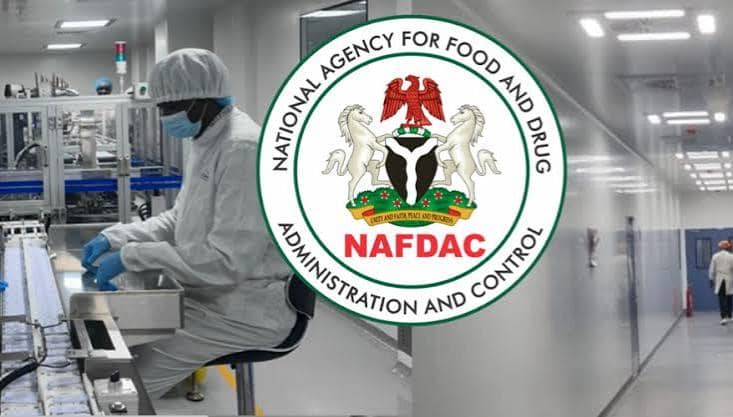
The National Agency for Food and Drug Administration and Control (NAFDAC) has clarified that it does not have direct and absolute regulatory control over unbranded palm oil, fufu and other traditionally packaged staple foods sold in open markets.
The Director-General of NAFDAC, Prof. Mojisola Adeyeye, made this known on Monday while briefing journalists on the agency’s efforts to combat suspected counterfeit, adulterated and unsafe products across Nigeria.
Adeyeye disclosed that NAFDAC received 225 complaints concerning suspected counterfeit products in August, noting that the agency receives more than 200 complaints from Nigerians every month through its various reporting platforms.
According to her, the complaints provide the agency with useful information that can be assessed to determine whether further investigation and regulatory action are necessary.
She urged members of the public to report suspected counterfeit products through NAFDAC’s official complaint channels rather than relying primarily on social media to raise allegations.
“Counterfeiters are not ghosts; they exist within our communities, neighbourhoods, and business premises,” Adeyeye said.
She explained that NAFDAC operates a 24-hour call centre and other reporting channels through which complaints can be received, assessed and investigated.
The NAFDAC boss also acknowledged growing concerns over reports of suspected adulterated and unsafe food products, following recent media reports and social media discussions involving yoghurt, palm oil, apples, soy sauce, olive oil, chicken, fish, water and beverages.
However, she cautioned that allegations circulating on social media do not, on their own, establish that a product is counterfeit, adulterated or dangerous.
Adeyeye stressed that scientific testing, laboratory analysis and proper regulatory investigations were necessary before such claims could be conclusively established.
She said the credibility of reports on suspected food adulteration would be strengthened when backed by scientific evidence rather than relying mainly on emotionally charged or commercially motivated social media narratives.
According to the NAFDAC DG, the agency’s food regulatory responsibilities primarily cover processed and packaged food products.
These responsibilities include inspecting establishments, collecting samples, conducting laboratory analysis, monitoring compliance, carrying out post-market surveillance, investigating complaints, verifying products, recalling unsafe products and taking enforcement action where necessary.
Adeyeye further stated that the production, distribution, importation, exportation, advertisement, sale or use of unregistered regulated products is prohibited under the NAFDAC Act and other relevant laws.
Where violations are confirmed, she said NAFDAC has the authority to seize, recall or dispose of affected products and prosecute or sanction offenders in accordance with the law.
Concerns Over Palm Oil and Fufu
Adeyeye expressed particular concern over reports of palm oil being adulterated with azo dyes and other potentially harmful substances, especially products packaged and sold traditionally in open markets.
She said the agency had observed concerns regarding the adulteration of palm oil with hazardous contaminants.
The NAFDAC boss also raised concerns about reports that chemicals are sometimes added to staple foods during production.
She specifically mentioned fufu and other staple foods allegedly being processed with bleach and other chemicals that could pose serious health risks to consumers.
Despite these concerns, Adeyeye explained that NAFDAC does not have “direct and absolute regulatory oversight” over unbranded palm oil, fufu and similar traditionally packaged staple foods sold in open markets.
She therefore called on state and local authorities, as well as other relevant government agencies, to strengthen monitoring and enforcement within their respective jurisdictions.
NAFDAC Clarifies Responsibility for Imported Fruits
Adeyeye also clarified that some agricultural products mentioned in recent reports, particularly imported fruits, do not fall solely under NAFDAC’s regulatory responsibility.
She explained that the Nigeria Agricultural Quarantine Service (NAQS) is responsible for imported agricultural produce such as apples, grapes and oranges.
She stressed the importance of stronger cooperation among government agencies to ensure that food products entering and circulating within the country meet required safety standards.
According to Adeyeye, the National Policy on Food Safety and Quality, together with its 2023 implementation plan, provides a framework for effective coordination among the agencies responsible for food safety.
She added that NAFDAC had been working to address the unethical ripening of fruits since 2018 through measures including restrictions on the availability of calcium carbide, public awareness campaigns and engagement with relevant stakeholders.
The agency urged Nigerians to remain vigilant and report suspected unsafe, counterfeit or adulterated products through its official channels so that appropriate investigations and regulatory action can be taken.
Join us on our WhatsApp Platform @KOIKIMEDIA NEWS YOUR PAGE
Koikimedia Bringing the World 🌎 Closer to Your Doorstep

[mc4wp_form id=2402]