Physical Address
304 North Cardinal St.
Dorchester Center, MA 02124
Physical Address
304 North Cardinal St.
Dorchester Center, MA 02124

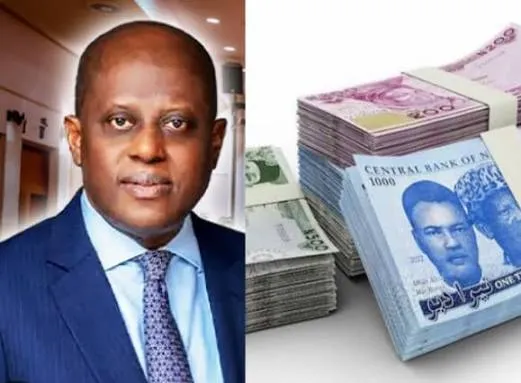
The Federal Government has reported a significant increase in Nigeria’s capital importation, which rose to $23bn in 2025 from more than $12bn in 2024, while the country’s foreign exchange reserves have exceeded $50bn.
The Minister of Industry, Trade and Investment, Dr Jumoke Oduwole, disclosed that capital importation increased by 83 per cent year-on-year, rising from $5.5bn in the first quarter of 2025 to more than $10bn in the corresponding period of 2026.
Oduwole also said Nigeria’s economy grew by more than four per cent in 2025 and sustained growth above that level in the first half of 2026.
She added that the country’s inflation rate declined from 33.2 per cent in 2024 to 14.63 per cent in September 2026.
The minister disclosed the figures on Monday while delivering the keynote address at the third annual Multi-Door Courthouses and Alternative Dispute Resolution Stakeholders’ Summit in Lagos.
Speaking on the theme, “Investor Confidence and ADR: Strengthening Nigeria’s Investment Climate,” Oduwole attributed the reported economic improvements to reforms introduced by President Bola Tinubu’s administration.
She identified foreign exchange market unification, the removal of petrol subsidies, tax reforms and banking sector recapitalisation as some of the major policy measures aimed at stabilising the economy and improving investor confidence.
According to the minister, Nigeria’s non-oil exports have also recorded significant growth, reaching a record value of more than $6bn.
She listed cocoa derivatives, fertiliser, cashew, dairy products, pulp and paper, and cassava starch among the products contributing to the country’s non-oil export earnings.
Oduwole further highlighted the growing contribution of the creative and digital sectors to the economy, stating that they account for approximately 18 per cent of Nigeria’s gross domestic product and provide employment for millions of people.
She noted that businesses operating in these sectors were expanding their exports to markets within and outside Africa.
The minister said investment opportunities in Nigeria were increasingly extending to manufacturing, agribusiness, financial technology, renewable energy and infrastructure, reflecting efforts to diversify the economy beyond oil.
However, she stressed that the government’s priority was to translate the improving economic indicators into tangible benefits for Nigerians through increased domestic production, stronger local businesses, higher exports and job creation.
Oduwole observed that a significant proportion of recent capital inflows consisted of short-term portfolio investments in money market instruments and bonds.
She said the government was working to attract more long-term investments into factories, infrastructure and productive businesses that could expand the economy and create sustainable employment.
“The quality of capital matters as much as the volume,” the minister said, emphasising the need to attract investments capable of increasing production, generating jobs and strengthening Nigeria’s export capacity.
She also identified the effectiveness of the country’s commercial dispute-resolution system as a major factor influencing investors’ decisions.
According to her, investors assess the reliability of institutions, clarity of regulations, enforceability of contracts and fairness of dispute-resolution mechanisms before committing funds to long-term projects.
She warned that prolonged legal disputes and uncertainty over the resolution of commercial disagreements could discourage both domestic and foreign investors, particularly those considering large-scale projects and complex business arrangements.
The minister said alternative dispute resolution (ADR), including mediation and arbitration, could reduce the time and cost associated with commercial disputes, preserve business relationships and strengthen confidence in Nigeria’s investment environment.
She disclosed that the Federal Ministry of Industry, Trade and Investment was advancing reforms to the country’s investment regulatory framework, including provisions for an investment ombudsman to address investors’ complaints before they escalate into formal disputes.
Oduwole explained that the proposed mechanism was consistent with the dispute-prevention provisions of the African Continental Free Trade Area Protocol on Investment.
She also commended the Lagos State Judiciary and the Lagos Multi-Door Courthouse for providing accessible platforms for mediation, arbitration and other forms of amicable dispute resolution.
Reflecting on her previous role as Special Adviser to the President on Ease of Doing Business, the minister said she worked with state judiciaries and other stakeholders through the Presidential Enabling Business Environment Council to establish small claims courts.
She explained that the courts were designed to provide simpler, faster and more affordable procedures for resolving minor commercial disputes, particularly those involving micro, small and medium-sized enterprises.
According to her, 35 jurisdictions across Nigeria had established small claims courts by the time she concluded her tenure.
Oduwole called for stronger cooperation among the judiciary, executive, legal profession and private sector to expand the use of alternative dispute resolution, prevent commercial disagreements and improve expertise in mediation and investment arbitration.
She urged participants at the summit to develop practical strategies for speeding up dispute resolution, strengthening institutional coordination and improving investor confidence.
“A predictable business environment attracts investment; it’s really that simple. Credible institutions sustain it, and effective dispute resolution helps to protect it,” she said.
Fagbemi Highlights Importance of Arbitration and Mediation
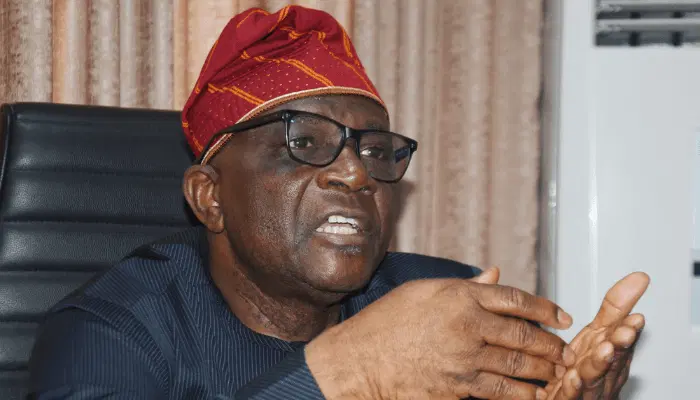
Also speaking at the summit, the Attorney General of the Federation and Minister of Justice, Lateef Fagbemi (SAN), described arbitration and mediation as essential tools for building investor confidence, reducing business risks and promoting sustainable investment in Nigeria.
In his goodwill message, Fagbemi highlighted Federal Government initiatives aimed at strengthening the country’s alternative dispute-resolution framework and positioning Nigeria as an attractive destination for domestic and international investors.
He listed the review of the arbitration and alternative dispute-resolution framework, the inauguration of the National Committee on the Review of the Arbitration and Mediation Act 2023, and the development of a National Policy on Arbitration among the government’s ongoing efforts.
According to him, the proposed policy is intended to strengthen Nigeria’s position as a leading arbitration hub in Africa.
Fagbemi also commended the Lagos State Multi-Door Courthouse, describing it as Africa’s first court-connected alternative dispute-resolution centre and an important example of the growing role of ADR in modern justice delivery.
He reaffirmed the Federal Government’s commitment to supporting similar initiatives across the country, noting that integrating alternative dispute resolution into the justice system could improve investor confidence and strengthen Nigeria’s economic competitiveness.
The attorney general said an efficient dispute-resolution system would provide businesses with greater certainty and enable investors to settle commercial disagreements without the delays and expenses associated with prolonged court proceedings.
Emphasising the importance of peaceful settlement of disputes, Fagbemi referred to former United Nations Secretary-General Kofi Annan’s remarks following the International Court of Justice ruling on the Bakassi Peninsula.
“Litigation may win cases, but mediation wins peace,” he said.
Fagbemi urged participants to work together towards strengthening dispute-resolution institutions, promoting economic growth and positioning Nigeria as a leading destination for efficient and innovative dispute settlement.
The summit focused on the relationship between investor confidence, effective dispute resolution and economic development, with participants encouraged to support reforms that would make Nigeria’s business environment more predictable, transparent and attractive to long-term investment.
Join us on our WhatsApp Platform @KOIKIMEDIA NEWS YOUR PAGE
Koikimedia Bringing the World 🌎 Closer to Your Doorstep

[mc4wp_form id=2402]