Physical Address
304 North Cardinal St.
Dorchester Center, MA 02124
Physical Address
304 North Cardinal St.
Dorchester Center, MA 02124

Saudi Arabia Shuts Key Oil Pipeline After Drone Attack, Raising Global Energy Concerns
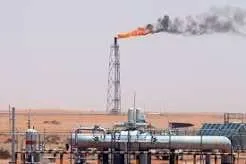
Saudi Arabia has temporarily shut down its vital East-West oil pipeline after the facility was targeted by drones on Friday, raising fresh concerns about global energy supplies.
The 1,200-kilometre pipeline, which transports crude oil from Saudi Arabia’s eastern oilfields to the Red Sea port of Yanbu, is one of the country’s most important routes for exporting oil without using the Strait of Hormuz.
Saudi authorities said the pipeline was attacked in areas around Riyadh and Medina, causing damage and injuries.
The Energy Ministry said the shutdown was a precautionary measure while specialist teams assess the facility and ensure its safety.
Attack Reportedly Came From Iraq
Iraqi authorities said the drones originated from Maysan province in southeastern Iraq. No group has claimed responsibility for the attack.
Iraq has, however, launched an investigation into the incident after confirming that its territory was used to launch the drones.
Iraqi Prime Minister Ali al-Zaidi ordered an investigation into the Maysan operations command, which oversees security in the area, and dismissed its commander.
Baghdad also ordered the temporary closure of the Shalamcheh border crossing with Iran as a precaution.
Iraq’s government condemned the attack and said it would take legal action against anyone found responsible, stressing that its territory must not be used as a launching ground for attacks against other countries.
Security analysts have suggested that Iran-backed armed groups operating in Iraq could be responsible, although there has been no official confirmation identifying the perpetrators.
Saudi Arabia Holds Off on Retaliation
Saudi Arabia has so far refrained from launching a military response.
The Saudi Foreign Ministry said Riyadh would not retaliate “at this stage” following a request from the Iraqi prime minister.
However, Saudi Arabia warned that it reserves the right to take whatever measures are necessary to protect its interests.
The incident comes amid growing tensions across the Middle East and escalating conflict involving Iran, Israel, Yemen and regional armed groups.
Saudi Arabia is also facing increasing pressure in Yemen, where Houthi forces have made significant advances along the Red Sea coast and taken control of the strategic Mayun Island near the Bab al-Mandeb Strait.
*Why the Pipeline Is Important
The East-West pipeline is extremely important to Saudi Arabia because it provides an alternative route for moving oil without relying on the Strait of Hormuz.
The pipeline has reportedly been transporting between four million and five million barrels of oil per day, equivalent to roughly 4–5 percent of global oil supply.
Its importance has increased significantly since disruptions to shipping through the Strait of Hormuz began affecting Saudi oil exports.
With the pipeline now shut, analysts warn that global energy markets could face additional pressure.
Brent crude oil, the international benchmark, is already trading above $104 per barrel, compared with around $72 before the US-Israeli war on Iran began on February 28. Prices earlier rose as high as $119 during the conflict.
Energy experts say the latest disruption could further reduce the spare capacity available in the global oil market.
How Soon Can the Pipeline Reopen?
It remains unclear how long the shutdown will last.
Saudi Arabia repaired a pumping station on the same pipeline within three days after an attack in April, restoring its capacity.
However, authorities have not yet disclosed the full extent of the latest damage.
Satellite imagery has reportedly shown smoke rising from an area of the pipeline south of Medina, while NASA also detected unusual thermal activity in the region.
The speed of repairs will depend largely on the extent of the damage and whether further attacks occur.
Limited Alternatives for Saudi Oil Exports
Saudi Arabia has few immediate options capable of fully replacing the East-West pipeline.
The pipeline normally carries crude from the country’s eastern oilfields to Yanbu on the Red Sea, allowing Saudi Arabia to bypass the Strait of Hormuz.
With that route currently unavailable, Riyadh may have to rely more heavily on existing oil stocks in western Saudi Arabia or reroute some exports through Egypt.
Possible alternatives include the Suez Canal and the 320-kilometre Sumed pipeline, which transports crude from the Red Sea towards the Mediterranean.
However, growing Houthi control around Yemen’s Red Sea coast and Mayun Island could create additional security risks for shipments.
Analysts warn that if attacks continue or the Red Sea becomes significantly more difficult to navigate, oil prices could rise further.
The latest incident therefore represents more than a disruption to Saudi Arabia’s oil infrastructure—it could become another major pressure point for an already strained global energy market.Saudi Arabia has temporarily shut down its vital East-West oil pipeline after the facility was targeted by drones on Friday, raising fresh concerns about global energy supplies.
The 1,200-kilometre pipeline, which transports crude oil from Saudi Arabia’s eastern oilfields to the Red Sea port of Yanbu, is one of the country’s most important routes for exporting oil without using the Strait of Hormuz.
Saudi authorities said the pipeline was attacked in areas around Riyadh and Medina, causing damage and injuries.
The Energy Ministry said the shutdown was a precautionary measure while specialist teams assess the facility and ensure its safety.
Attack Reportedly Came From Iraq
Iraqi authorities said the drones originated from Maysan province in southeastern Iraq. No group has claimed responsibility for the attack.
Iraq has, however, launched an investigation into the incident after confirming that its territory was used to launch the drones.
Iraqi Prime Minister Ali al-Zaidi ordered an investigation into the Maysan operations command, which oversees security in the area, and dismissed its commander.
Baghdad also ordered the temporary closure of the Shalamcheh border crossing with Iran as a precaution.
Iraq’s government condemned the attack and said it would take legal action against anyone found responsible, stressing that its territory must not be used as a launching ground for attacks against other countries.
Security analysts have suggested that Iran-backed armed groups operating in Iraq could be responsible, although there has been no official confirmation identifying the perpetrators.
Saudi Arabia Holds Off on Retaliation
Saudi Arabia has so far refrained from launching a military response.
The Saudi Foreign Ministry said Riyadh would not retaliate “at this stage” following a request from the Iraqi prime minister.
However, Saudi Arabia warned that it reserves the right to take whatever measures are necessary to protect its interests.
The incident comes amid growing tensions across the Middle East and escalating conflict involving Iran, Israel, Yemen and regional armed groups.
Saudi Arabia is also facing increasing pressure in Yemen, where Houthi forces have made significant advances along the Red Sea coast and taken control of the strategic Mayun Island near the Bab al-Mandeb Strait.
*Why the Pipeline Is Important
The East-West pipeline is extremely important to Saudi Arabia because it provides an alternative route for moving oil without relying on the Strait of Hormuz.
The pipeline has reportedly been transporting between four million and five million barrels of oil per day, equivalent to roughly 4–5 percent of global oil supply.
Its importance has increased significantly since disruptions to shipping through the Strait of Hormuz began affecting Saudi oil exports.
With the pipeline now shut, analysts warn that global energy markets could face additional pressure.
Brent crude oil, the international benchmark, is already trading above $104 per barrel, compared with around $72 before the US-Israeli war on Iran began on February 28. Prices earlier rose as high as $119 during the conflict.
Energy experts say the latest disruption could further reduce the spare capacity available in the global oil market.
How Soon Can the Pipeline Reopen?
It remains unclear how long the shutdown will last.
Saudi Arabia repaired a pumping station on the same pipeline within three days after an attack in April, restoring its capacity.
However, authorities have not yet disclosed the full extent of the latest damage.
Satellite imagery has reportedly shown smoke rising from an area of the pipeline south of Medina, while NASA also detected unusual thermal activity in the region.
The speed of repairs will depend largely on the extent of the damage and whether further attacks occur.
Limited Alternatives for Saudi Oil Exports
Saudi Arabia has few immediate options capable of fully replacing the East-West pipeline.
The pipeline normally carries crude from the country’s eastern oilfields to Yanbu on the Red Sea, allowing Saudi Arabia to bypass the Strait of Hormuz.
With that route currently unavailable, Riyadh may have to rely more heavily on existing oil stocks in western Saudi Arabia or reroute some exports through Egypt.
Possible alternatives include the Suez Canal and the 320-kilometre Sumed pipeline, which transports crude from the Red Sea towards the Mediterranean.
However, growing Houthi control around Yemen’s Red Sea coast and Mayun Island could create additional security risks for shipments.
Analysts warn that if attacks continue or the Red Sea becomes significantly more difficult to navigate, oil prices could rise further.
The latest incident therefore represents more than a disruption to Saudi Arabia’s oil infrastructure—it could become another major pressure point for an already strained global energy market.
Join us on our WhatsApp Platform @KOIKIMEDIA NEWS YOUR PAGE
Koikimedia Bringing the World 🌎 Closer to Your Doorstep

[mc4wp_form id=2402]