Physical Address
304 North Cardinal St.
Dorchester Center, MA 02124
Physical Address
304 North Cardinal St.
Dorchester Center, MA 02124

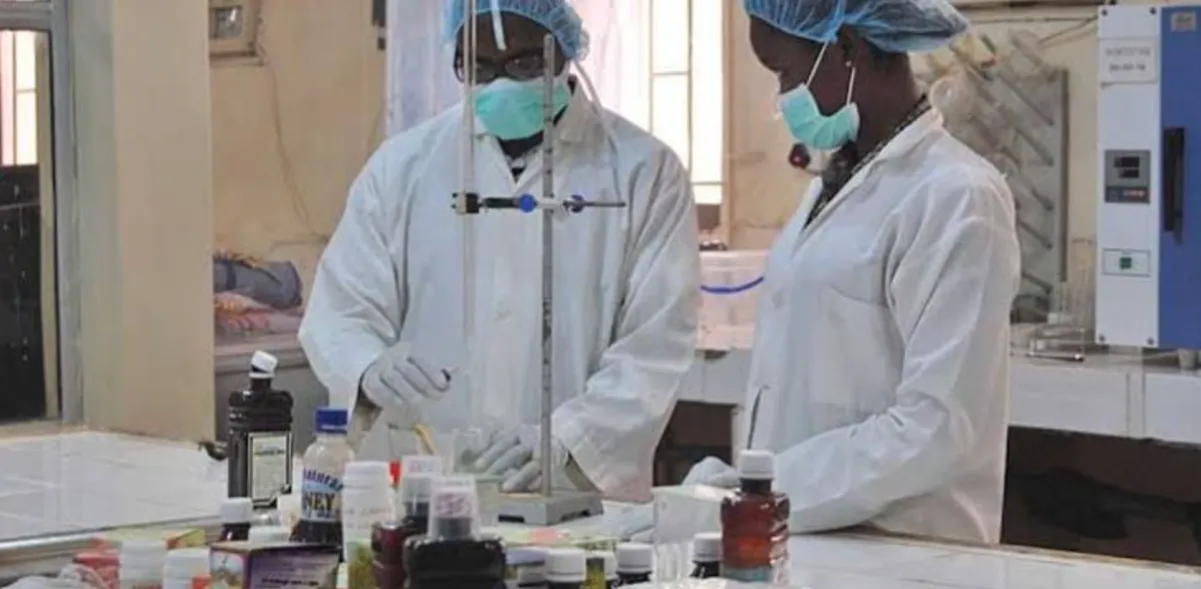
The Association of Medical Laboratory Scientists of Nigeria (AMLSN), Lagos State Branch, has urged the Federal Government to increase investment in local production of diagnostic equipment and strengthen the country’s laboratory healthcare system to reduce Nigeria’s heavy dependence on imported medical diagnostic products.
The call was contained in resolutions adopted at the association’s 61st annual scientific conference held recently in Lagos.
The conference brought together medical laboratory scientists, healthcare professionals, researchers and other stakeholders to discuss challenges affecting diagnostic services in Nigeria.
The conference, themed “Global Innovation in Laboratory Medicine: Sustaining Global Best Practices for Better Health Outcomes in Nigeria,” focused on emerging developments in laboratory medicine, including artificial intelligence, digital healthcare, genomic surveillance, laboratory accreditation and point-of-care testing.
One of the major resolutions was the development of a phased national strategy to promote the local manufacture of diagnostic products.
The association noted that Nigeria currently imports an estimated 95 to 99 per cent of its in-vitro diagnostic products, leaving the healthcare system vulnerable to disruptions in international supply chains.
The conference chairman and Managing Director of ISN Medical, Felix Ofungwu, stressed the need for sustained investment in domestic manufacturing and genomic surveillance.
He warned that the country’s dependence on imported diagnostic commodities could affect its ability to respond effectively to infectious diseases and antimicrobial resistance.
AMLSN also called on the Medical Laboratory Science Council of Nigeria and relevant government agencies to strengthen quality control and regulation of point-of-care testing. It further advocated sustainable funding for laboratory accreditation, noting that reliable diagnostic services are essential for effective disease detection, treatment and management.
The association expressed concern over regulatory challenges arising from the rapid introduction of digital and artificial intelligence-based healthcare technologies.
It called for proper regulation of tele-laboratory and digital diagnostic services, while noting the need for a comprehensive legal framework to govern digital health in the country.
AMLSN also advocated the responsible and ethical use of artificial intelligence in laboratory medicine.
It stressed that emerging technologies should be supported by adequate regulation, quality assurance, data protection measures and properly trained personnel.
An AI-supported diagnostic platform demonstrated during the conference reportedly reduced the time required to classify leukaemia cases from several days to approximately two hours, highlighting the potential of technology to improve the speed and efficiency of medical diagnosis.
To address shortages of skilled personnel, the association called for expanded postgraduate training, mentorship and professional development programmes for medical laboratory scientists.
The Dean of the School of Postgraduate Studies at Lagos State University, Prof. Ibrahim Olateju, said the institution was willing to work with AMLSN towards establishing postgraduate programmes in Medical Laboratory Science.
The association also reiterated its opposition to the Medical Laboratory Science Council of Nigeria (Amendment) Bill, HB 2701, and the Medical and Dental Practitioners (Amendment) Bill, HB 2695.
According to AMLSN, the proposed legislation could undermine the independence of the laboratory regulatory body and weaken existing accreditation and professional standards.
Beyond technology and regulation, the association urged the Federal Government to improve security for healthcare workers, particularly in areas where medical personnel have reportedly been abducted.
AMLSN further called for diagnostic and laboratory services to be clearly incorporated into the Basic Minimum Package of Health Services funded through the Basic Health Care Provision Fund.
The association said strengthening Nigeria’s laboratory system would contribute significantly to major public health priorities, including viral hepatitis elimination, disease surveillance, antimicrobial resistance control and pandemic preparedness.
It pointed to Nigeria’s experience with genomic sequencing during the COVID-19 pandemic as evidence of the importance of maintaining strong laboratory capacity to detect, monitor and respond to public health emergencies.
The communiqué was signed by the AMLSN Lagos State Branch Chairman, Kabiawu Adegboyega; Vice Chairman and Chairman of the Conference Planning Committee, Dr Uba Benjamin; Secretary, Morounke Mannie-Udoh; and Publicity Secretary, Adeleke Olaoluwa.
The resolutions followed three days of technical sessions examining point-of-care testing, artificial intelligence, digital laboratory medicine, local diagnostic manufacturing, genomic surveillance, quality management systems, regulation and investment in Nigeria’s diagnostic sector.

[mc4wp_form id=2402]