

The report, which surveyed the average rent of two-bedroom apartments across Africa’s key cities, places Lagos behind Abidjan, Cape Town, and Accra. Other cities listed include Douala, Nairobi, Kigali, Dar es Salaam, Cairo, and Casablanca.
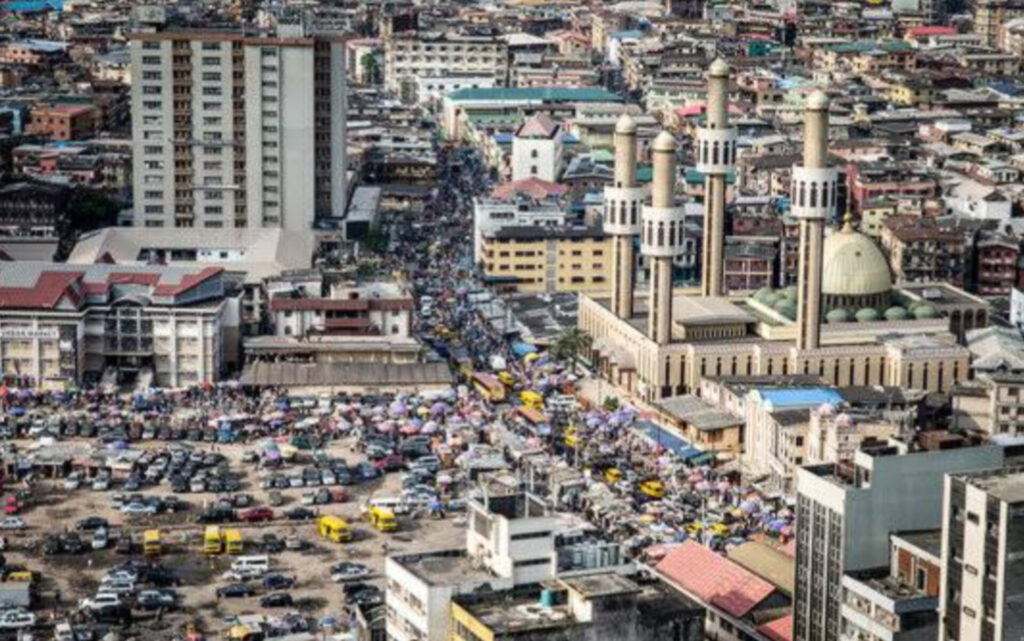
Lagos has been ranked the fourth most expensive city for rental housing in Africa, according to a new report by Fortren & Company, highlighting growing affordability pressures that are pushing residents out of prime urban areas.
The report, which surveyed the average rent of two-bedroom apartments across Africa’s key cities, places Lagos behind Abidjan, Cape Town, and Accra. Other cities listed include Douala, Nairobi, Kigali, Dar es Salaam, Cairo, and Casablanca
In Lagos’ high-end districts such as Ikoyi, Banana Island, and Victoria Island, the average annual rent for a luxury two-bedroom apartment is estimated at $19,379 (about N26.8m).
This is lower than Abidjan’s $41,671, Cape Town’s $27,813, and Accra’s $26,299 for similar properties.
Despite its fourth-place ranking, analysts say Lagos is experiencing one of the fastest and steepest rent increases on the continent.
Over the past two years, rental prices have surged by 50 to 200 percent, driven by high demand, limited housing supply, and macroeconomic pressures.
Chudi Ubosi, Principal Partner at Ubosi Eleh + Co, said during a recent housing webinar that the spike in rents has pushed the income-to-rent ratio in Lagos to as high as 70 percent, far above the United Nations’ recommended 30 percent benchmark.
Rising rents are reshaping living patterns, forcing many residents to relocate to the city’s outskirts.
Even there, annual rents for standard two-bedroom apartments now range between N1.5 million and N2.5 million, reflecting the widespread nature of the housing crisis.
Analysts cite high inflation, soaring construction costs, and elevated borrowing rates as key factors making homeownership increasingly unattainable and pushing more people into the rental market.
Limited land in prime areas, speculative investments, and currency devaluation are further driving up prices.
Martin Uche, Research Director at Fortren & Company, noted that many high-end Lagos apartments are priced in U.S. dollars, restricting the market to high-income earners and expatriates.
Ultra-luxury developments along Ikoyi’s Bourdillon, Alexandra, and Gerrard corridors can fetch annual rents of up to $130,000, illustrating the city’s housing disparities.
Across Africa, similar trends are evident. In Cape Town, rents have climbed nearly 70 percent since 2014 due to domestic and international demand and a shift toward short-term rentals.
In Accra, strong economic growth, multinational corporations, and foreign currency housing allowances have intensified competition for high-end units.
Structural inefficiencies, such as the requirement for tenants to pay one to two years’ rent upfront, exacerbate the affordability crisis by raising barriers to securing housing.
Uche explained that these practices reflect low trust between landlords and tenants and limited access to credit data.
While current conditions present investment opportunities in build-to-let developments, experts warn that without targeted policies to increase housing supply, expand financing options, and regulate rental practices, Lagos’ affordability crisis could worsen, with long-term consequences for urban development and economic stability.
Join us on our WhatsApp Platform @KOIKIMEDIA NEWS YOUR PAGE
koikimedia Bringing the World 🌎 Closer to Your Doorstep