

The returnees arrived on Tuesday evening aboard buses provided by the World Health Organization and were taken to the Nasser Medical Complex in Khan Younis
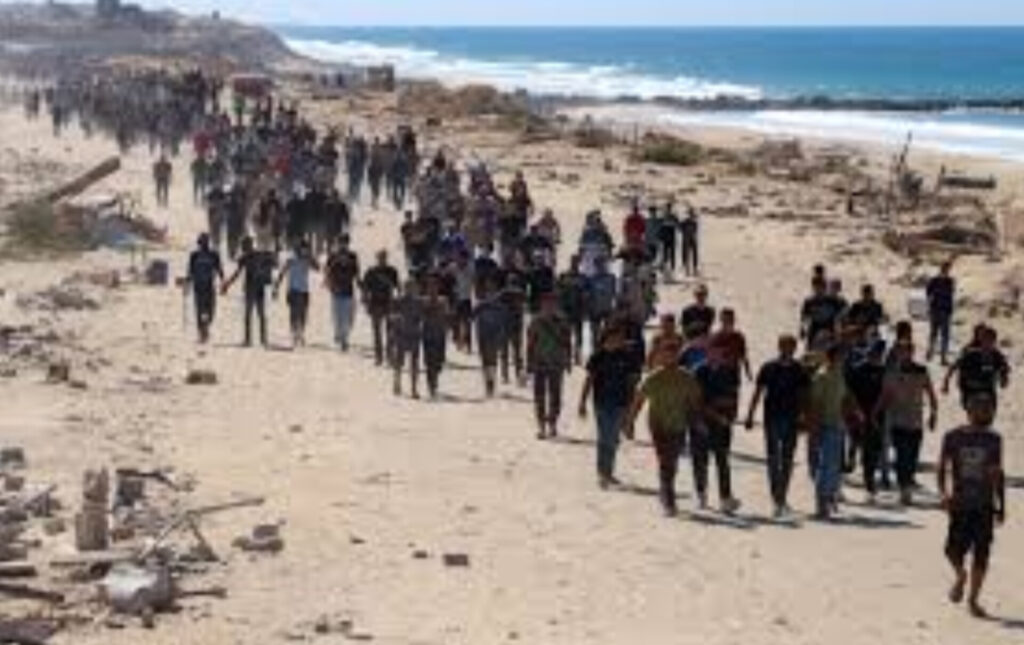
Forty-one Palestinians have returned to Gaza through the Rafah crossing, marking the seventh group to make the journey since the key transit point partially reopened earlier this month a process that has been slowly and tightly controlled by the Israeli military.
The returnees arrived on Tuesday evening aboard buses provided by the World Health Organization and were taken to the Nasser Medical Complex in Khan Younis.
Like previous groups, they said they were subjected to intrusive searches and lengthy questioning by Israeli forces, which oversee the Palestinian side of the crossing.
Rafah, on Gaza’s border with Egypt and the main gateway for most of the enclave’s more than two million residents, was largely closed for much of the war and only partially reopened on February 2.
Its reopening was a central condition of a U.S.-brokered ceasefire agreement aimed at ending the conflict. Under the arrangement, Israel has allowed a limited number of pre-approved individuals to travel, enabling some Palestinians stranded abroad during the war to return and permitting a small number of patients to leave Gaza for urgent medical treatment overseas.
According to Gaza’s Government Media Office, the latest arrivals bring the total number of returnees since the reopening to 172, while only about 250 people mainly patients and their companions have been allowed to exit the territory.
The pace of medical evacuations has fallen well below what was outlined in the ceasefire deal, which called for 50 patients to leave Gaza each day, each accompanied by two relatives far short of what is needed for the roughly 20,000 people said to require treatment abroad.
Gaza’s health system has been severely damaged during the war, with 22 hospitals forced out of service and about 1,700 medical workers killed, according to the Palestinian Health Ministry.
Despite the ceasefire agreement announced in October, Israeli attacks have continued almost daily.
On Wednesday, Israeli air strikes and artillery fire hit areas east of Khan Younis in southern Gaza that are under Israeli military control, according to reporters on the ground.
The latest incidents followed attacks on Tuesday that killed at least seven Palestinians, including three people struck by shelling and gunfire in central Gaza and another killed by Israeli fire north of Khan Younis.