

On Thursday, schools in Dhaka and other major cities switched to online classes, and transport was badly disrupted because of the escalating attacks.
By Assye Bankole
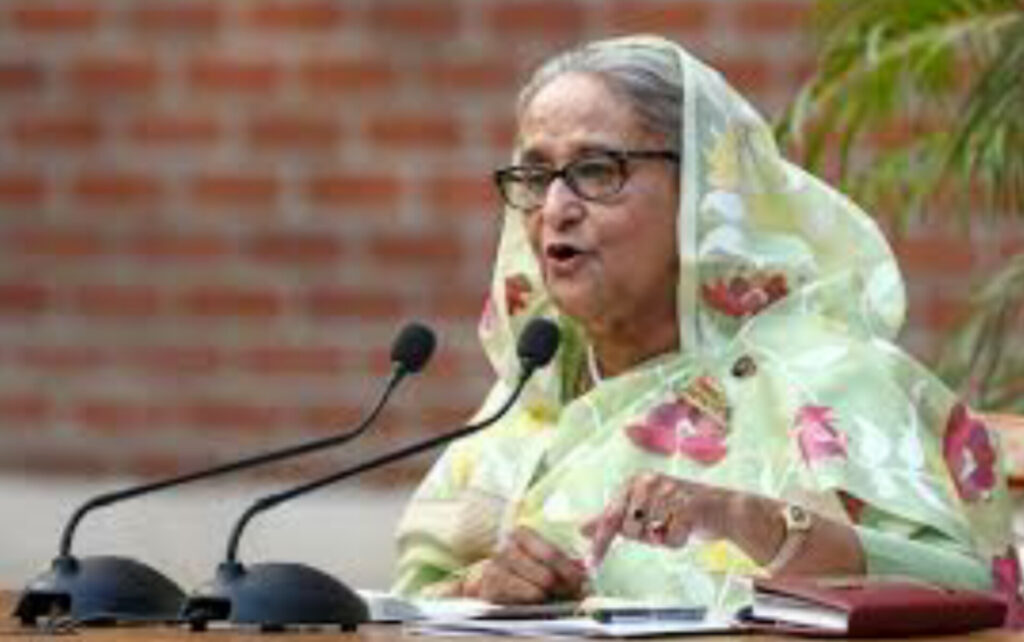
Bangladesh experienced a surge of violence as a court verdict against ousted Prime Minister Sheikh Hasina loomed. In response, her party announced a nationwide “lockdown” to protest the case.
On Thursday, schools in Dhaka and other major cities switched to online classes, and transport was badly disrupted because of the escalating attacks.
As tensions rose, authorities recorded 32 crude‑bomb explosions on Wednesday and dozens of buses were set on fire nationwide. Later, two more crude bombs exploded near Dhaka airport on
Thursday night, but no one was injured. The interim government, led by Nobel Peace laureate Muhammad Yunus, stepped up security: 400 soldiers from the paramilitary Border Guard were deployed in the capital, checkpoints were reinforced, and public gatherings were heavily restricted.
The unrest also involved a fire‑bomb attack on a government office in Gopalganj district—Hasina’s ancestral home—and local media said an office of Grameen Bank, founded by Yunus, was torched in eastern Bangladesh on Wednesday.
Police arrested dozens of supporters of Hasina’s Awami League for alleged involvement in the explosions and sabotage. Hasina, who fled to India last August during deadly anti‑government protests.
Join us on our WhatsApp Platform @KOIKIMEDIA NEWS YOUR PAGE
KoikiMedia Bringing the World 🌎 Closer to Your Doorstep