Physical Address
304 North Cardinal St.
Dorchester Center, MA 02124
Physical Address
304 North Cardinal St.
Dorchester Center, MA 02124

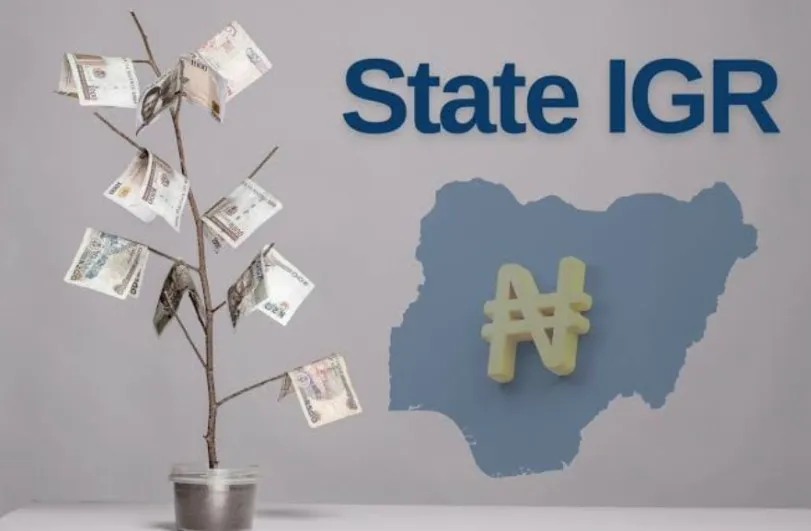
The Internally Generated Revenue (IGR) of Nigerian states increased by 34 per cent to N2.43tn in the first half of 2026, compared with N1.815tn recorded during the same period in 2024.
According to findings by Newsmen, 35 states, excluding Rivers State, generated a combined N2.43tn between January and June 2026. Comparable IGR data for the first half of 2025 was unavailable for many states.
The increase highlights the growing revenue capacity of state governments at a time when they face rising financial responsibilities, including infrastructure development, payment of workers’ salaries, healthcare, education and other recurrent expenses.
However, the stronger revenue figures have raised questions about how effectively the additional funds are being used. States have also benefited from increased allocations from the Federation Account and funds resulting from savings associated with the removal of petrol subsidies.
Between June 2023 and December 2025, states and local governments reportedly received about N10.4tn from accumulated subsidy savings.
This has further expanded the financial resources available to sub-national governments.
FAAC allocations to states also rose by 26 per cent, reaching N4.54tn in the first half of 2026, compared with N3.61tn during the corresponding period of 2025. About 11 oil-producing states shared N321.90bn under the 13 per cent derivation formula, with Delta, Bayelsa and Akwa Ibom receiving about 75.4 per cent of the total amount.
Despite the increase in government revenues, concerns remain over the poor living conditions experienced by many Nigerians.
A World Bank report cited in the report indicated that the proportion of Nigerians living below the poverty line increased from 56 per cent in 2023 to 61 per cent in 2024 and 63 per cent in 2025, representing roughly 140 million people.
The situation has intensified calls for governors and local government chairmen to demonstrate greater transparency and accountability in the management of public funds.
BudgIT’s Tracka platform also reported in February 2026 that several states had recorded unexecuted, abandoned or poorly delivered public projects worth about N24bn. Benue, Ondo, Kwara, Akwa Ibom and Sokoto were among the states with the highest proportions of unexecuted projects.
Economic experts said the increase in state revenues should translate into visible improvements in citizens’ lives.
They urged governments to invest more heavily in roads, healthcare, transportation, education, security, agricultural infrastructure, electricity and support for businesses.
The Chief Executive Officer of the Centre for the Promotion of Private Enterprise, Muda Yusuf, said citizens should demand measurable results from governments receiving increased revenues.
He argued that higher allocations and stronger IGR should result in better infrastructure and public services rather than simply financing increased recurrent expenditure or expensive prestige projects.
PwC’s Director of Deals Advisory, Wale Olusi, similarly called on state and local governments to play a greater role in reducing hardship.
He urged states to invest in infrastructure, transportation systems that can move agricultural produce from rural communities to urban markets, security and other initiatives capable of stimulating economic growth.
Professor of International Economics, Jonathan Aremu, however, cautioned that the increase in revenue should also be viewed against inflation and the declining purchasing power of the naira.
According to him, although states are receiving more money in nominal terms, the real value of those funds has fallen significantly because the cost of goods and services has risen.
Nevertheless, Aremu agreed that governments must ensure citizens benefit from increased revenues.
He criticised excessive spending by some states and stressed that the additional resources should translate into tangible improvements in living conditions.
The rising IGR and increased federal allocations therefore present state governments with a significant opportunity to accelerate development.
Analysts insist that stronger fiscal discipline, transparency and productive investment will be necessary to ensure that the additional funds have a meaningful impact on Nigerians.
Join us on our WhatsApp Platform @KOIKIMEDIA NEWS YOUR PAGE
koikimedia Bringing the World 🌎 Closer to Your Doorstep

[mc4wp_form id=2402]