

Growing tensions in recent hours have raised doubts over whether Tehran will take part, as the deadline approaches for the end of a two-week ceasefire.
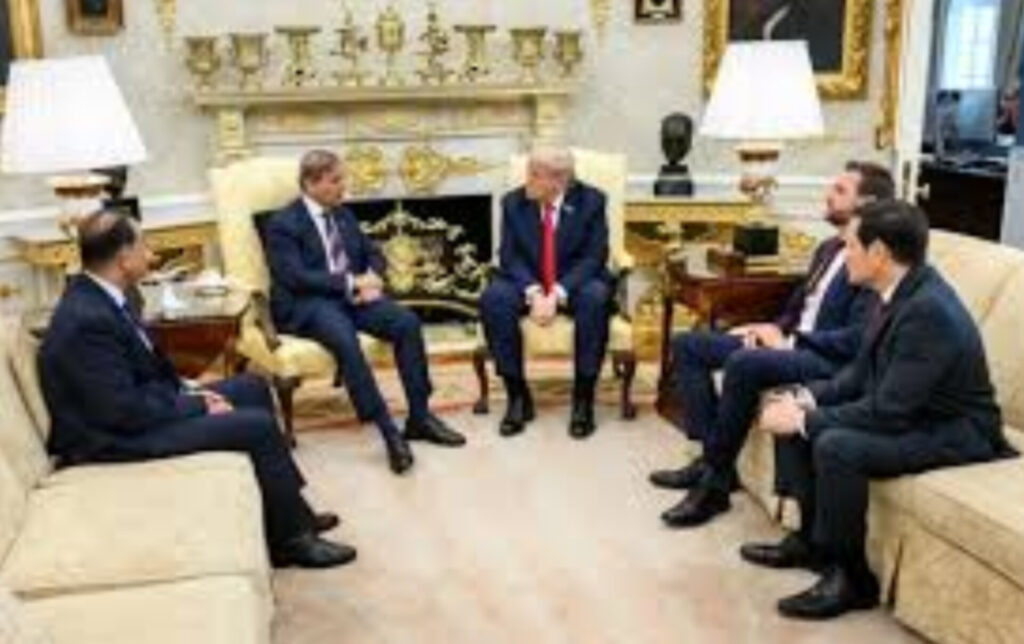
Pakistan is preparing to host a second round of talks between the United States and Iran aimed at ending the ongoing conflict between the two countries.
However, growing tensions in recent hours have raised doubts over whether Tehran will take part, as the deadline approaches for the end of a two-week ceasefire.
Unlike the first round of discussions held in Islamabad on April 11, the upcoming negotiations could stretch over several days.
According to sources familiar with the process who spoke to newsmen, the aim is to reach a temporary agreement described by mediators as a memorandum of understanding that would extend the ceasefire.
If signed, the deal could provide negotiators with an additional 60 days to work toward a more comprehensive peace agreement.
However, the entire process now depends on Iran’s participation. As of Monday morning, Tehran had not confirmed whether it would send its delegation to Islamabad, following a sharp escalation in tensions over the past 24 hours.
On Sunday, US President Donald Trump announced that his representatives were heading to Pakistan for the second round of negotiations with Iran, as the fragile ceasefire set to expire on Wednesday nears its deadline.
However, he paired the announcement with renewed threats made before the ceasefire, including warnings of possible strikes on Iran’s energy and power infrastructure.
“My Representatives are going to Islamabad, Pakistan. They will be there tomorrow evening, for Negotiations,” Trump wrote on Truth Social.
He also accused Iran of a “total violation” of the ceasefire agreement, following reports that Iranian gunboats opened fire on vessels in the Strait of Hormuz on Saturday, striking ships including a French vessel and a British freighter.
Join us on our WhatsApp Platform @KOIKIMEDIA NEWS YOUR PAGE
koikimedia Bringing the World 🌎 Closer to Your Doorstep