

The move came after weeks of growing anti-government protests that began on September 25, initially triggered by severe power and water shortages but later evolving into a broader rejection of Rajoelina’s leadership and the political elite.
By Titilope Adako
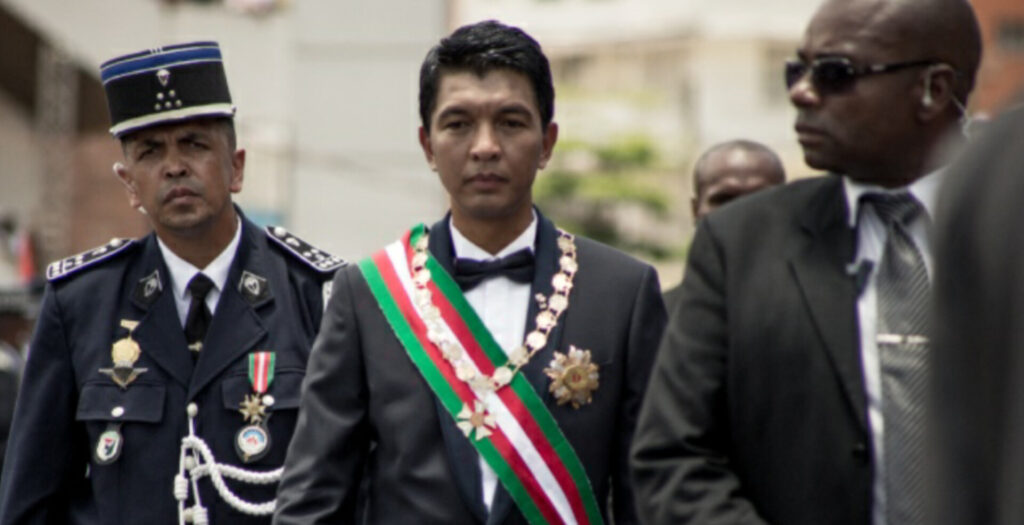
Madagascar’s political crisis deepened on Tuesday as an elite military unit announced it had taken control of the country, following the impeachment of President Andry Rajoelina by parliament.
The move came after weeks of growing anti-government protests that began on September 25, initially triggered by severe power and water shortages but later evolving into a broader rejection of Rajoelina’s leadership and the political elite.
Celebrations erupted in the capital, Antananarivo, after Colonel Michael Randrianirina, commander of the elite CAPSAT military unit that had joined the protests over the weekend, declared the military was now in charge.
Outside the presidential palace, Randrianirina read a statement announcing the suspension of the country’s constitution. He said a transitional governing committee made up of members of the army, gendarmerie, and national police would oversee the country’s administration.
“Perhaps in time it will include senior civilian advisers,” he added.
“It is this committee that will carry out the work of the presidency,” Randrianirina said.
“At the same time, after a few days, we will set up a civilian government.”
“We have taken power,” he confirmed to AFP.
Following the announcement, armoured Humvees and military trucks from the CAPSAT unit rolled through the city as soldiers returned to their base, where hundreds of troops stood in formation to welcome them. Crowds lined the streets, cheering, waving flags, and honking horns in a spontaneous celebration.
“It’s a huge joy,” said Baovola Zanarison Rakotomanga, a 41-year-old businesswoman celebrating at city hall.
“We have suffered for so long… we hope to now be able to move forward, united,” she told AFP.
Despite the military’s declaration, the presidency rejected the move, calling it “a clear act of attempted coup.” Officials insisted that President Rajoelina, reportedly out of the country and in hiding, “remains fully in office.”
Late Monday, Rajoelina had refused to resign, brushing aside mounting pressure from protest leaders and civil society groups.
Earlier in the day, parliament proceeded with a vote to impeach him for “desertion of duty,” ignoring an executive order to dissolve the National Assembly. The motion passed with 130 votes — surpassing the two-thirds majority required by the constitution.
While the presidency declared the session “devoid of any legal basis,” the country’s constitutional court later upheld the impeachment and recognized Randrianirina’s authority.
Join us on our WhatsApp Platform @KOIKIMEDIA NEWS YOUR PAGE
KoikiMedia Bringing the World 🌎 Closer to Your Doorstep