Physical Address
304 North Cardinal St.
Dorchester Center, MA 02124
Physical Address
304 North Cardinal St.
Dorchester Center, MA 02124

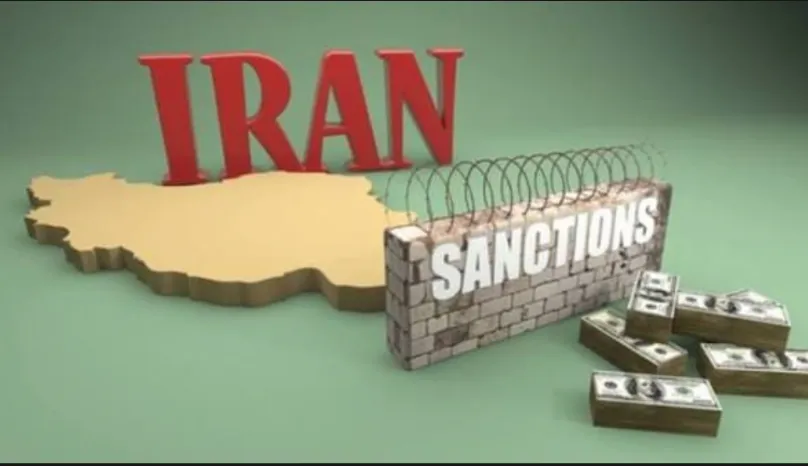
Iran is preparing new measures to keep its economy functioning as the United States threatens to impose additional sanctions and increase economic pressure on Tehran.
The latest developments come amid an ongoing naval blockade, trade restrictions, asset freezes and disruptions to shipping.
US Treasury Secretary Scott Bessent has warned that Washington could introduce some of its toughest economic measures yet against Iran, while President Donald Trump has also vowed to intensify the pressure.
Iranian officials, however, have remained defiant, saying the country is prepared to continue resisting US pressure and could shift towards offensive military operations if necessary.
Tehran is also preparing for the possibility of a ground invasion.
The situation has created serious challenges for Iran’s economy, particularly because the Strait of Hormuz remains largely closed to commercial traffic.
The waterway is one of the world’s most important energy routes, with a significant share of global oil and natural gas shipments traditionally passing through it.
Iranian Parliament Speaker and senior negotiator Mohammad Bagher Ghalibaf said the Strait of Hormuz would remain closed until the United States fulfils commitments contained in an expired memorandum of understanding.
These demands include lifting the blockade, releasing frozen Iranian assets, removing oil sanctions and ending military operations against Iran.
To cope with the restrictions, Iran has been looking for alternative trade routes.
The country has increased efforts to bring in food, consumer products and industrial materials through land borders with Pakistan, Türkiye and other neighbouring countries, as well as through the Caspian Sea via Russia and Central Asian countries.
Iran’s oil exports have again been severely disrupted following the collapse of a temporary agreement that had briefly eased the blockade in June and July.
During that period, Iran was able to export oil stored on tankers while its military used the pause to reorganise.
The economic pressure is adding to problems that have affected Iran for years, including inflation, weak purchasing power, unemployment, poor wages, corruption, domestic mismanagement and international sanctions.
For the country’s population of about 90 million people, the crisis has increased uncertainty and made everyday living more difficult.
President Masoud Pezeshkian’s administration has identified market stability, protection of livelihoods and strengthening national resilience as key priorities for the next two years.
Economists, however, warn that achieving those goals will be difficult without major economic and political reforms.
Mahdi Ghodsi, a senior economist at the Vienna Institute for International Economic Studies, said Iran would need to reduce tensions with the United States, Western countries and Israel while also addressing domestic economic and political challenges.
He warned that without both external de-escalation and meaningful internal reforms, Iran might slow the deterioration in living standards but would struggle to achieve long-term economic stability.
Energy Sector Under Pressure
Energy remains one of the main areas through which Washington can exert pressure on Tehran.
US media reports suggest that new sanctions could target additional Chinese refineries that purchase or process Iranian crude oil.
The United States could also expand restrictions on Chinese banks and other financial institutions involved in transactions linked to Iranian oil.
Such a move could create further tensions between Washington and Beijing.
Economists warn that prolonged restrictions on Iran’s energy supplies could produce serious shortages, particularly as the country approaches the autumn and winter months.
Iran was already facing challenges involving electricity, gas and water supplies before the latest crisis.
The government has also reduced some subsidised petrol allocations for private vehicles and has considered further increases in fuel prices.
Fuel imports, which previously cost Iran billions of dollars annually, have also been disrupted by the war and blockade.
Experts believe Washington is likely to increase pressure on Iran’s international energy trade by targeting shipping companies, insurance providers, financial institutions, intermediaries and foreign buyers involved in Iranian oil transactions.
If the blockade and military confrontation continue, economists warn that the consequences could extend beyond Iran, with disruptions to the Strait of Hormuz potentially affecting global energy markets, international shipping and the wider world economy.
Join us on our WhatsApp Platform @KOIKIMEDIA NEWS YOUR PAGE
koikimedia Bringing the World 🌎 Closer to Your Doorstep

[mc4wp_form id=2402]