Physical Address
304 North Cardinal St.
Dorchester Center, MA 02124
Physical Address
304 North Cardinal St.
Dorchester Center, MA 02124

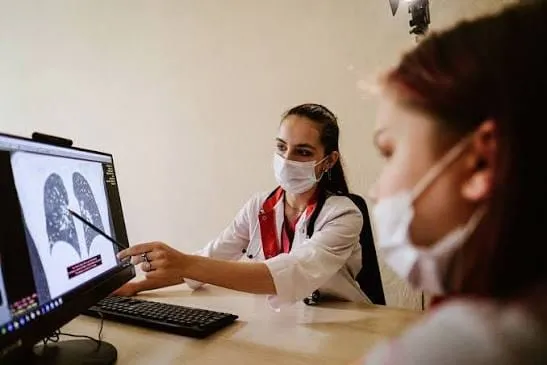
The World Health Organisation (WHO) has called on governments and international partners to increase funding for tuberculosis prevention, diagnosis and treatment, warning that more than one million people continue to die from the disease every year despite significant progress in reducing global deaths.
According to the WHO, domestic funding for tuberculosis programmes increased by 14 per cent between 2024 and 2025, reaching $5.6bn.
However, the increase was largely offset by a corresponding decline in international funding.
The organisation stressed that sustained domestic investment was essential to protecting achievements made in the fight against tuberculosis, particularly amid reductions in global health financing.
The WHO disclosed this in its Global Tuberculosis Report 2026, released on Thursday, which estimated that 10.6 million people developed the disease in 2025, while approximately 1.1 million died from it.
The report revealed that global tuberculosis deaths had declined by 35 per cent since 2015, marking the first mortality milestone of the WHO End TB Strategy, although the target was achieved five years behind schedule.
It also noted that tuberculosis treatment had saved an estimated 86 million lives worldwide since 2000.
Despite the progress, the global incidence of tuberculosis declined by only 14 per cent between 2015 and 2025, falling significantly short of the 50 per cent reduction target set for 2025.
WHO Director-General, Dr Tedros Adhanom Ghebreyesus, described the continued reduction in tuberculosis cases and deaths as encouraging, particularly given the financial challenges facing many countries.
He, however, warned that the number of people dying from the preventable and treatable disease remained unacceptably high.
According to him, several governments have increased their domestic spending to protect existing gains despite reductions in international assistance.
He urged governments and development partners to expand access to tuberculosis services, safeguard essential funding and accelerate the development of new tools needed to eliminate the disease.
The report further disclosed that the global tuberculosis burden remained concentrated in 30 countries, which accounted for 88 per cent of all new cases recorded in 2025.
It highlighted significant regional differences in the fight against the disease.
Between 2015 and 2025, tuberculosis incidence declined by 42 per cent in the WHO European Region and 30 per cent in the African Region.
South-East Asia recorded an 18 per cent reduction, while the Eastern Mediterranean Region achieved a 6.6 per cent decline. The Western Pacific Region recorded no overall change.
In contrast, the Americas experienced a 13 per cent increase in tuberculosis incidence compared with 2015, marking the fifth consecutive year of rising cases.
The WHO attributed the differences to variations in risk factors, healthcare infrastructure, access to medical services and the level of sustained investment across regions.
The report also raised concerns about significant gaps in tuberculosis diagnosis and treatment.
Of the estimated 10.6 million people who developed the disease in 2025, only 8.4 million were diagnosed, leaving approximately 2.2 million people either undiagnosed or unreported.
It further revealed that only 59 per cent of newly diagnosed patients were tested using WHO-recommended rapid diagnostic methods, far below the 100 per cent target set for 2027.
On drug-resistant tuberculosis, the organisation estimated that approximately 370,000 people developed rifampicin-resistant tuberculosis in 2025.
However, only 42 per cent of those affected received treatment.
Nevertheless, the adoption of the WHO-recommended six-month treatment regimen improved considerably, increasing from 18 per cent of treated patients in 2024 to 42 per cent in 2025.
The organisation also expressed concern over inadequate investment in tuberculosis research, revealing that global funding stood at $1.2bn in 2023, representing less than one-quarter of the $5bn annual investment target required by 2027.
It stressed that increased research funding was necessary to develop and introduce new vaccines, faster diagnostic technologies and more effective treatment options.
The WHO consequently called on governments, international organisations and development partners to strengthen political commitment, increase sustainable domestic funding and improve access to tuberculosis prevention, early diagnosis and effective treatment.
It also urged stakeholders to accelerate investment in research and innovation, warning that considerably faster action would be required to put the world back on course towards ending the tuberculosis epidemic.
Join us on our WhatsApp Platform @KOIKIMEDIA NEWS YOUR PAGE
koikimedia Bringing the World 🌎 Closer to Your Doorstep

[mc4wp_form id=2402]