Physical Address
304 North Cardinal St.
Dorchester Center, MA 02124
Physical Address
304 North Cardinal St.
Dorchester Center, MA 02124

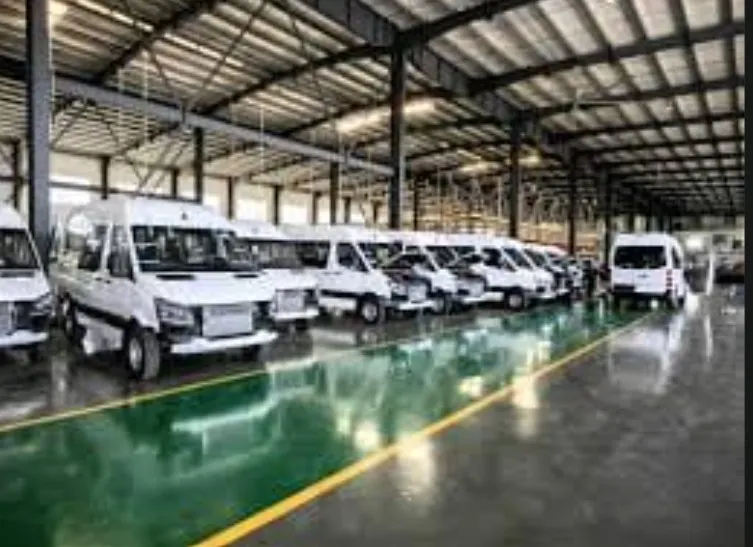
The Federal Government has taken another step towards promoting cleaner transportation with the delivery of the first batch of electric vehicles promised to Nigerian civil servants.
The Director-General of the National Automotive Design and Development Council, Joseph Osanipin, disclosed the development on Wednesday after meeting with President Bola Tinubu at the State House in Abuja.
Osanipin said the delivery marked the beginning of a broader government programme aimed at increasing access to electric vehicles and developing the infrastructure needed to support alternative-energy transportation across Nigeria.
He said more electric vehicles would be delivered as the programme progresses, describing the first batch as the starting point of a larger initiative.
The NADDC director-general also revealed that electric vehicle infrastructure had been deployed in about 16 universities across the country.
According to him, the initiative is intended to encourage the development of an electric vehicle ecosystem and promote greater awareness and adoption of the technology.
Osanipin explained that government policies on electric vehicles and Compressed Natural Gas would produce greater results as investments in the required infrastructure continue to increase.
He noted that the transition to alternative fuels could not be achieved through policy announcements alone, stressing the importance of facilities such as filling stations, mobile refill units and gas production plants.
The NADDC boss said the number of companies licensed to retail gas had increased from about four to 81, describing the development as an indication of growing private-sector participation in the Federal Government’s CNG initiative.
He said the increased number of retailers was also helping to make CNG more accessible in several parts of the country.
To illustrate the potential savings from CNG, Osanipin cited the experience of a traveller whose fuel expenses reportedly dropped from more than N200,000 to about N40,000 after switching to CNG and refuelling in Kano.
He said more Nigerians could benefit from the initiative as additional companies invest in CNG infrastructure and expand services to more locations.
However, Osanipin acknowledged concerns that some commercial transport operators benefiting from lower CNG costs had not reduced their fares for passengers.
He said the government would focus on ensuring that savings achieved through alternative fuels eventually translate into lower transportation costs for commuters.
According to him, fleet operators are already benefiting from the programme, but some have yet to pass the savings on to the public.
He said stronger enforcement could become necessary once the supporting infrastructure is sufficiently developed.
Osanipin added that his meeting with President Tinubu also covered developments in Nigeria’s automotive sector, ongoing investments and proposed legislation aimed at strengthening the industry.
He said the proposed legislation would help improve the country’s automotive policy and regulatory framework, attract more investment and accelerate the development of Nigeria’s automotive industry.
The electric vehicle initiative and the government’s CNG programme form part of broader efforts to promote alternative energy, reduce dependence on petrol and lower transportation costs while supporting the development of Nigeria’s automotive sector.
Join us on our WhatsApp Platform @KOIKIMEDIA NEWS YOUR PAGE
koikimedia Bringing the World 🌎 Closer to Your Doorstep

[mc4wp_form id=2402]