Physical Address
304 North Cardinal St.
Dorchester Center, MA 02124
Physical Address
304 North Cardinal St.
Dorchester Center, MA 02124

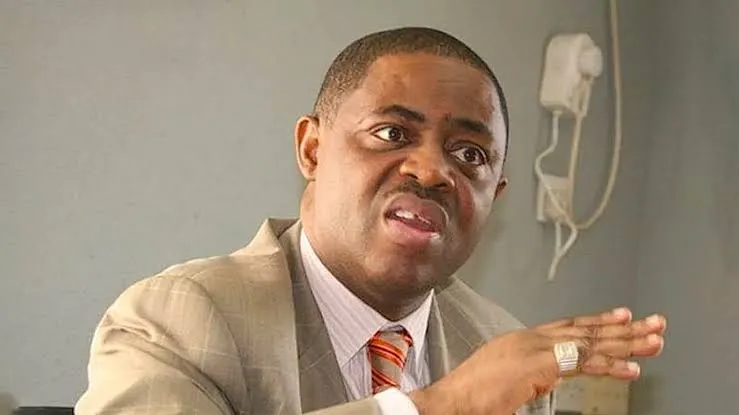
Nigeria’s Ambassador to South Africa, Femi Fani-Kayode, and the South African Presidency have clashed over allegations that his introduction and speech were deliberately excluded from a livestream of his presentation of credentials to President Cyril Ramaphosa in Pretoria.
Fani-Kayode disclosed the incident in a post on his personal X account, explaining that it occurred at the South African Presidential Guest House, where he presented his letters of credence alongside ambassadors from 14 other countries.
The ceremony marked what he described as the first posting of a substantive Nigerian ambassador to South Africa in four years.
According to him, the South African Presidency livestreamed the event, during which all 15 ambassadors were introduced and given the opportunity to deliver speeches.
However, he alleged that the Nigerian delegation was conspicuously excluded from the broadcast during his introduction and address.
“Curiously the South African Presidency refused to air the introduction of my goodself and the Nigerian delegation or to air my speech,” Fani-Kayode said.
“They went a step further by cutting us out of the livestream completely and went back on livestream only after my speech was concluded.”
He maintained that Nigeria was the only country whose introduction and speech were not broadcast.
Fani-Kayode further claimed that he raised the matter with Ramaphosa during a photo session, prompting the South African leader to refer the complaint to relevant officials.
“Clearly some elements in South Africa do not want to hear what we have to say or see our faces but we are here to stay as long as we are welcome and have the confidence of President Ramaphosa, which I am sure we do,” he said.
The ambassador added that at least two Nigerian television stations covered the event and recorded his full speech.
He also disclosed that he declined an interview with the South African Broadcasting Corporation (SABC) over what he considered the disrespectful treatment of the Nigerian delegation.
“One thing is clear, I have immense respect and affection for South Africa and the South African people but I will not be anywhere or tolerate anyone that disrespects or treats our Government or our people flippantly,” he added.
He, however, commended Ramaphosa for his concern and what he described as timely intervention.
Reacting to the allegations on X, Ramaphosa’s spokesperson, Vincent Magwenya, accused the Nigerian ambassador of misrepresenting the circumstances surrounding the incident.
Magwenya said he regretted having to address Fani-Kayode publicly but insisted that the ambassador had falsely involved the South African President in an operational matter over which he had no control.
“In South Africa the President does not intervene on operational matters at the public broadcasters, neither did he intervene on your behalf. He simply pointed you to Sophie Mokoena who was the most appropriate person to raise your greviance with,” he said.
He further alleged that Fani-Kayode declined to speak with Mokoena, who could have clarified the situation.
“Your Excellency, you refused to speak to Sophie Mokoena who would have cleared the misunderstanding with you. I would encourage you, that as you start your tenure in South Africa you meet with SABC to forge a mutually beneficial, respectful and professional relationship.”
Magwenya stressed that the SABC operates as an independent public broadcaster and that the South African President has no legal or political authority to interfere with its operations or editorial decisions.
“The SABC is a public broadcaster. The President carries no legal or political mandate to interfere with its operations or intervene in it’s editorial processes. Frankly, your approach in this regard on a minor operational issue which you misunderstood was grossly inappropriate,” he said.
He concluded by wishing Fani-Kayode well in his diplomatic assignment and urging him to build constructive relationships with different segments of South African society and the country’s constitutional institutions.

[mc4wp_form id=2402]