

Alausa made this known after a meeting with the Chairman and Chief Executive of the National Drug Law Enforcement Agency, Brig Gen Buba Marwa (retd), in Abuja on Wednesday
By Titilope Adaku
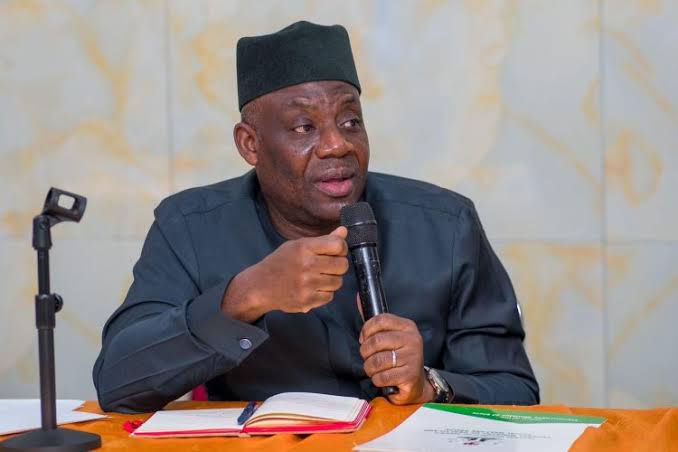
The Minister of Education, Dr Tunji Alausa, has approved compulsory and random drug tests for students in tertiary institutions across the country.
Alausa made this known after a meeting with the Chairman and Chief Executive of the National Drug Law Enforcement Agency, Brig Gen Buba Marwa (retd), in Abuja on Wednesday.
According to NDLEA spokesperson, Femi Babafemi, the meeting focused on strategies to curb substance abuse among students.
Babafemi said Marwa proposed a three-pronged approach, which includes revising drug education content in schools, introducing stand-alone drug abuse prevention programmes in secondary schools, and implementing a drug testing policy for tertiary institutions covering fresh, returning, and randomly selected students.
He quoted Marwa as describing drug abuse as a major threat to national security and youth development, linking it to criminal activities such as terrorism and banditry.
Marwa disclosed that over 40,000 drug offenders had been arrested and more than 5,500 metric tonnes of drugs seized in the last two years.
“We are fighting for the souls of our children. Without drugs, many criminal activities would not be possible,” Marwa said.
Responding, Alausa acknowledged the gravity of the problem, stressing that drug use among youths undermines education and employability.
“When the youths get into drugs, they won’t go to school, and even when they go to school, they are not getting a functional education. Their level of critical thinking is lower, their ability to make informed decisions in later life becomes significantly reduced, and they become unemployable,” he said.
Alausa confirmed that drug tests for fresh and returning students in tertiary institutions would commence, alongside random testing.
“You also said something very important about the drug test policy in tertiary institutions. We will do it. We have to do it. We do not have a choice,” he added.
The minister announced the creation of a Substance Use Prevention Unit within the ministry and said the ongoing review of the secondary school curriculum would incorporate updated drug education, with plans to extend similar measures to primary schools.
He also supported the development of stand-alone drug prevention programmes for schools, which would be implemented and expanded across various levels of education.
Join us on our WhatsApp Platform @KOIKIMEDIA NEWS YOUR PAGE
Koikimedia Bringing the World🌏Closer to Your Doorstep