Physical Address
304 North Cardinal St.
Dorchester Center, MA 02124
Physical Address
304 North Cardinal St.
Dorchester Center, MA 02124

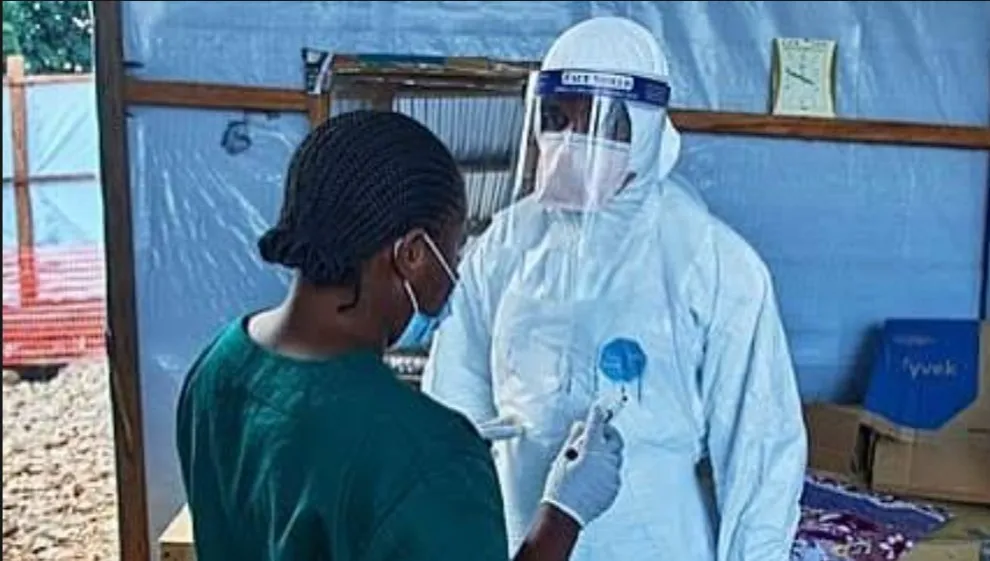
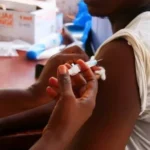
The Democratic Republic of Congo (DRC) has launched a vaccination campaign against Ebola, prioritising healthcare workers and other front-line personnel as authorities step up efforts to contain a rapidly spreading outbreak.
The first doses are being administered to health workers in the city of Kisangani, where medical teams are at the forefront of the response.
Authorities are also preparing to expand the vaccination programme to other areas considered at high risk of infection.
The outbreak is mainly concentrated in Ituri Province in eastern DRC, a region that shares a border with Uganda.
Health officials are particularly concerned about the possibility of the virus spreading to neighbouring communities and countries as people continue to move between affected and unaffected areas.
However, the vaccination campaign comes with a significant challenge.
The vaccine currently being administered is licensed to protect against another strain of Ebola and has not been proven to be effective against the Bundibugyo strain responsible for the current outbreak.
At present, there is no approved vaccine or specific treatment for the Bundibugyo strain.
Researchers are conducting clinical trials to determine whether available vaccines can offer protection and help reduce the impact of the outbreak.
Congolese Health Minister Samuel Roger Kamba said more than 50,000 doses of the vaccine had been received in the country.
He explained that authorities planned to gradually extend vaccination to provinces surrounding Ituri in what he described as a ring-based strategy designed to create layers of protection around the centre of the outbreak.
The World Health Organization (WHO) has also approved 70,000 doses of the Ervebo vaccine for use in the DRC.
Of those doses, approximately 20,000 are expected to be used in a clinical trial aimed at determining how effective the vaccine is against the Bundibugyo strain.
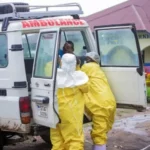
Healthcare workers have appealed for additional vaccine supplies as they continue treating patients and responding to new suspected infections.
Medical personnel remain among the groups most exposed to the virus because of their close contact with infected patients.
Government figures indicate that, as of Tuesday, the DRC had recorded 5,713 confirmed Ebola cases, including 2,744 deaths. Authorities have described the current outbreak as the deadliest Ebola outbreak ever recorded in the country.
The response has also been complicated by difficult conditions on the ground. Insecurity in parts of the affected region, population displacement, large movements of people and a strike by healthcare workers have made it more difficult for health authorities to identify cases, trace contacts and provide timely medical care.
The WHO has warned that the outbreak remains out of control and could eventually exceed the scale of the 2014–2016 Ebola epidemic in West Africa, which remains the deadliest Ebola outbreak on record and claimed more than 11,000 lives, mostly in Guinea, Liberia and Sierra Leone.
With infections and deaths continuing to rise, Congolese authorities and international health organisations are intensifying vaccination, surveillance, testing and public health measures.
Officials are also working to strengthen protection for healthcare workers and communities in areas surrounding the outbreak.
The success of the response will depend heavily on controlling transmission, protecting medical personnel, ensuring adequate supplies and determining whether existing vaccines can provide meaningful protection against the Bundibugyo strain.
Join us on our WhatsApp Platform @KOIKIMEDIA NEWS YOUR PAGE
koikimedia Bringing the World 🌎 Closer to Your Doorstep

[mc4wp_form id=2402]