Physical Address
304 North Cardinal St.
Dorchester Center, MA 02124
Physical Address
304 North Cardinal St.
Dorchester Center, MA 02124

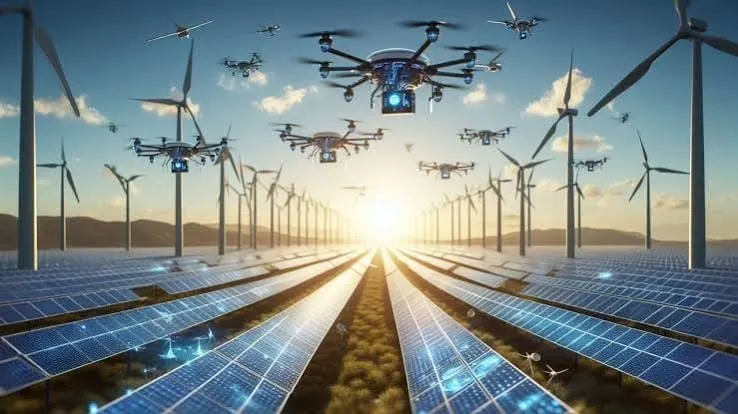
Recent conflicts in Ukraine, Russia, and the Middle East have shown how drones can bypass traditional defence systems and target critical infrastructure that took decades and billions of dollars to build.
The technology has shifted the balance between attackers and defenders, with relatively inexpensive drones capable of causing significant damage.
Iran’s use of drones during its conflict with the United States and Israel has highlighted the growing risks to global energy supplies, particularly around the Strait of Hormuz, a key route for oil and gas shipments.
The threat has pushed Gulf countries to expand alternative pipelines and export routes to reduce dependence on the strategic waterway.
However, the expansion of new energy infrastructure could also create more targets for drone attacks.
Energy companies and governments are now investing heavily in counter-drone technologies, including advanced radar systems, electronic jamming, interceptor drones, laser weapons, and other defence systems.
The situation has become especially clear in Ukraine, where long-range drone attacks have targeted Russian refineries, fuel depots, and energy facilities.
Ukraine’s growing drone industry, producing large numbers of low-cost unmanned aircraft, has demonstrated how quickly the technology is becoming widely available.
NATO has also announced plans to invest billions of dollars in counter-drone capabilities, recognising that drones have changed modern warfare.
Until effective protection systems are widely deployed, cheap drones will continue to pose a serious challenge to one of the world’s most important industries energy.
Join us on our WhatsApp Platform @KOIKIMEDIA NEWS YOUR PAGE
koikimedia Bringing the World 🌎 Closer to Your Doorstep

[mc4wp_form id=2402]