Physical Address
304 North Cardinal St.
Dorchester Center, MA 02124
Physical Address
304 North Cardinal St.
Dorchester Center, MA 02124

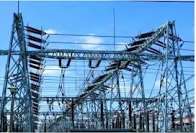
Nigeria’s electricity generation plunged from approximately 3,840 megawatts to 476.70MW on Monday, October 19, 2026, triggering power outages in parts of the country and raising fresh concerns about the stability of the national electricity system.
Data obtained from the Nigerian Independent System Operator’s (NISO) electricity monitoring portal showed that power generation stood at about 3,840MW at 7am before dropping sharply to 476.70MW by 1pm.
According to the figures, electricity generation remained relatively stable during the early hours of Monday before experiencing a sudden decline at around 12:40pm.
The development left most of the country’s power plants recording zero electricity output, with only a few generating stations contributing limited amounts of power to the national grid.
Among the plants still generating electricity as of 1pm were Odukpani National Integrated Power Project, Omotosho and Sapele, although their contributions remained low.
Major generating stations, including Egbin, Jebba, Shiroro and Kainji, alongside several gas-fired power plants, recorded zero output on the grid at the time.
The sharp reduction in generation coincided with reports of electricity outages in different locations, with consumers taking to social media to complain about interruptions between approximately 12:45pm and 1:20pm.
By 1:23pm, the NISO dashboard indicated that electricity generation had risen slightly to about 480MW, with only five generating companies recording output.
The figures represented a reduction of more than 3,300MW compared with the level recorded at 7am, highlighting the scale of the disruption and prompting questions about the reliability of electricity supply across the country.
Nigeria’s electricity sector has experienced recurring grid disturbances and generation challenges this year, affecting the supply of electricity to households, businesses and industries.
In response to the persistent challenges, the Federal Government recently approved plans to develop new eastern and western power grids as part of efforts to strengthen the electricity transmission system, improve stability and reduce the impact of recurring grid failures.
However, the Nigerian Independent System Operator dismissed suggestions that the country had experienced a nationwide grid collapse on Monday.
A senior NISO official, who spoke on condition of anonymity, maintained that there was no system-wide disturbance on the national grid despite reports of outages and the sharp decline in recorded generation.
“There is no disturbance at the moment. Probably if something is happening, maybe it is a local issue, but there is nothing on the grid,” the official said.
The official explained that electricity interruptions in some locations could result from localised faults or temporary equipment trips, which do not necessarily indicate a collapse of the entire national grid.
“Some of these things are tripping or other minor issues that, within minutes, you just see that it is fixed,” the official added.
The NISO official further disclosed that the system operator had directed its technical team to conduct an immediate assessment to determine whether any abnormalities had occurred.
The sharp decline in recorded electricity generation, however, is likely to intensify concerns among electricity consumers and businesses already grappling with unreliable power supply and the cost of alternative energy sources.
Join us on our WhatsApp Platform @KOIKIMEDIA NEWS YOUR PAGE
Koikimedia Bringing the World 🌎 Closer to Your Doorstep

[mc4wp_form id=2402]