Physical Address
304 North Cardinal St.
Dorchester Center, MA 02124
Physical Address
304 North Cardinal St.
Dorchester Center, MA 02124

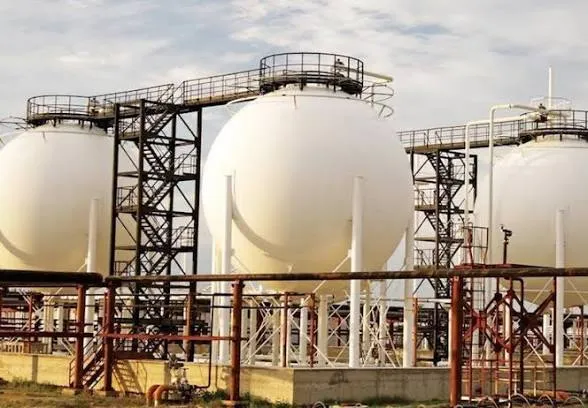
The Nigerian Association of Liquefied Petroleum Gas Marketers (NALPGAM) has called on operators in the liquefied petroleum gas (LPG) sector to prioritise safety, regulatory compliance and digitalisation to promote sustainable growth and improve operational efficiency.
The association made the call during its 2026 webinar, held last week under the theme, “Downstream LPG Operational Excellence and Compliance.”
The virtual event brought together industry operators, regulators and other stakeholders to discuss major challenges facing Nigeria’s LPG sector, including safety risks, market volatility, operational losses and compliance with regulatory requirements.
Speaking at the event, NALPGAM National President, Mr Edu Inyang, said the industry’s long-term growth must go beyond increasing the volume of gas supplied to consumers.
He stressed that operators must adopt safer and more responsible business practices while ensuring that their facilities and operational procedures meet established standards.
According to Inyang, safety should become a permanent part of daily operations rather than an occasional campaign introduced in response to accidents.
“The future of Nigeria’s LPG industry cannot be achieved by increasing volumes alone. We must grow safely, responsibly, efficiently and sustainably. Safety is not an occasional campaign; it must become a continuous industry culture,” he said.
One of the major outcomes of the webinar was the adoption of the proposed NALPGAM Standard of Operational Excellence, designed to establish a framework for improving safety and professionalism across the industry.
The standard is built around four key principles: maintaining safe and properly serviced facilities, ensuring that operators are adequately trained and competent, complying with established operational procedures, and protecting consumers.
Participants at the webinar called on LPG businesses to integrate safety measures into their daily activities and strengthen preventive maintenance practices to reduce the risk of accidents and equipment failures.
They also emphasised the need for operators to comply with licensing requirements, report incidents promptly and eliminate unsafe practices that could endanger workers, customers and surrounding communities.
Among the practices identified for elimination were unauthorised propane blending and illegal decanting, which can expose operators and consumers to serious safety risks.
Inyang noted that regulatory compliance should not be viewed simply as an obligation imposed by government agencies but as an important factor in improving business performance.
“Compliance is not merely a regulatory burden; it is a business advantage. Well-managed LPG operations reduce accidents, improve efficiency, protect investments and strengthen public confidence in our industry,” he said.
The association maintained that improved adherence to safety standards would help reduce avoidable incidents, protect business assets and build greater confidence among consumers who depend on LPG for domestic and commercial purposes.
Marketers Advocate Digital Solutions
The webinar also highlighted the growing importance of digital technology in improving accountability, reducing product losses and strengthening operational efficiency across the LPG value chain.
Participants identified smart filling systems, automated tank gauges, load cells, flow meters and vehicle-tracking technologies as practical tools that could help operators monitor product movement and improve inventory management.
According to the stakeholders, the adoption of these technologies could help businesses detect discrepancies, monitor deliveries and improve the accuracy of measurements during filling and distribution.
Digital systems were also identified as useful instruments for strengthening transparency and reducing operational inefficiencies that could affect profitability.
The association encouraged LPG operators to embrace appropriate technological solutions as part of efforts to modernise their businesses and improve compliance with industry standards.
The discussions further underscored the importance of continuous training, effective equipment maintenance and responsible operational practices in addressing the challenges confronting the sector.
As Nigeria’s LPG market continues to develop, NALPGAM’s position is that sustainable expansion must be supported by stronger safety standards, professional competence, regulatory compliance and improved use of technology.
The association’s call reflects the industry’s broader effort to establish safer and more efficient operations while protecting investments and maintaining public confidence in liquefied petroleum gas as an important energy source for Nigerian households and businesses.
Join us on our WhatsApp Platform @KOIKIMEDIA NEWS YOUR PAGE
Koikimedia Bringing the World 🌎 Closer to Your Doorstep

[mc4wp_form id=2402]