Physical Address
304 North Cardinal St.
Dorchester Center, MA 02124
Physical Address
304 North Cardinal St.
Dorchester Center, MA 02124

South Korea Vows Legal Action Over Alleged Fuel Exports to Russia
South Korea has threatened to take legal action if allegations that its fuel was illegally exported to Russia are confirmed, adding another layer of tension to its already strained relationship with Ukraine.
The South Korean Ministry of Foreign Affairs said on Thursday that the government had not yet established whether South Korean petroleum products, including diesel, were shipped to Russia in violation of sanctions.
However, officials said appropriate legal measures would be taken if an investigation confirms that illegal exports occurred.
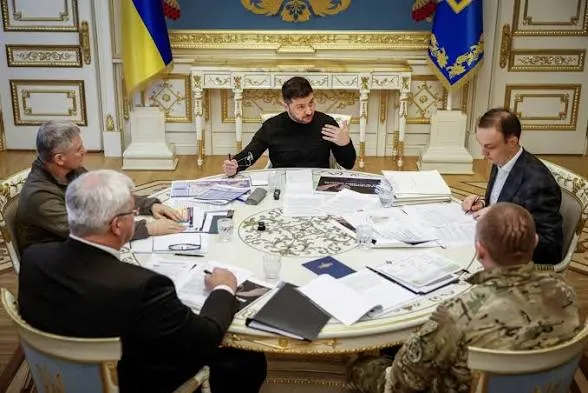
The controversy followed claims by Vladyslav Vlasiuk, an adviser to Ukrainian President Volodymyr Zelenskyy on sanctions policy, that approximately 176,000 tonnes of fuel were transported from South Korea to Russia during July and August.
He alleged that the shipments were carried on vessels subject to international sanctions.
South Korea’s presidential office rejected the claims, saying the allegations had not been sufficiently verified. Presidential spokesperson Kang Yu-jung said Seoul had consistently maintained sanctions and export-control measures against Russia since Moscow launched its full-scale invasion of Ukraine.
Kang also urged Ukrainian officials to avoid making public statements about South Korea’s policies without first confirming the facts, warning that inaccurate claims could damage international confidence in Seoul.
South Korean authorities explained that some petroleum products, including diesel and jet fuel intended for commercial purposes, are not included on the country’s current list of goods prohibited from export to Russia.
The government said this distinction was important when assessing whether any reported shipments violated South Korean law or sanctions.
The dispute comes at a time when relations between South Korea and Ukraine have deteriorated over a separate disagreement involving North Korean prisoners of war.
Seoul recently demanded an official apology from Kyiv after accusing President Zelenskyy of publicly revealing to the United Nations General Assembly that Ukraine had transferred two North Korean prisoners to South Korea.
South Korea said the disclosure breached a non-disclosure agreement, while Ukrainian officials maintained that no such agreement existed.
The growing tensions are also taking place against the backdrop of increasingly close military ties between Russia and North Korea.
Moscow and Pyongyang signed a mutual defence treaty in 2024, while Ukrainian and South Korean assessments indicate that around 14,000 to 15,000 North Korean soldiers have been sent to support Russia’s military efforts in its war against Ukraine.
The allegations surrounding South Korean fuel exports are therefore likely to receive close international attention, particularly as Western allies continue efforts to restrict Russia’s access to energy supplies and other resources that could support its war effort.
For now, Seoul maintains that it has not confirmed the alleged shipments and says any violations of its laws will be addressed if the claims are established through proper verification.South Korea has threatened to take legal action if allegations that its fuel was illegally exported to Russia are confirmed, adding another layer of tension to its already strained relationship with Ukraine.
The South Korean Ministry of Foreign Affairs said on Thursday that the government had not yet established whether South Korean petroleum products, including diesel, were shipped to Russia in violation of sanctions.
However, officials said appropriate legal measures would be taken if an investigation confirms that illegal exports occurred.
The controversy followed claims by Vladyslav Vlasiuk, an adviser to Ukrainian President Volodymyr Zelenskyy on sanctions policy, that approximately 176,000 tonnes of fuel were transported from South Korea to Russia during July and August.
He alleged that the shipments were carried on vessels subject to international sanctions.
South Korea’s presidential office rejected the claims, saying the allegations had not been sufficiently verified. Presidential spokesperson Kang Yu-jung said Seoul had consistently maintained sanctions and export-control measures against Russia since Moscow launched its full-scale invasion of Ukraine.
Kang also urged Ukrainian officials to avoid making public statements about South Korea’s policies without first confirming the facts, warning that inaccurate claims could damage international confidence in Seoul.
South Korean authorities explained that some petroleum products, including diesel and jet fuel intended for commercial purposes, are not included on the country’s current list of goods prohibited from export to Russia.
The government said this distinction was important when assessing whether any reported shipments violated South Korean law or sanctions.
The dispute comes at a time when relations between South Korea and Ukraine have deteriorated over a separate disagreement involving North Korean prisoners of war.
Seoul recently demanded an official apology from Kyiv after accusing President Zelenskyy of publicly revealing to the United Nations General Assembly that Ukraine had transferred two North Korean prisoners to South Korea.
South Korea said the disclosure breached a non-disclosure agreement, while Ukrainian officials maintained that no such agreement existed.
The growing tensions are also taking place against the backdrop of increasingly close military ties between Russia and North Korea.
Moscow and Pyongyang signed a mutual defence treaty in 2024, while Ukrainian and South Korean assessments indicate that around 14,000 to 15,000 North Korean soldiers have been sent to support Russia’s military efforts in its war against Ukraine.
The allegations surrounding South Korean fuel exports are therefore likely to receive close international attention, particularly as Western allies continue efforts to restrict Russia’s access to energy supplies and other resources that could support its war effort.
For now, Seoul maintains that it has not confirmed the alleged shipments and says any violations of its laws will be addressed if the claims are established through proper verification.
Join us on our WhatsApp Platform @KOIKIMEDIA NEWS YOUR PAGE
Koikimedia Bringing the World 🌎 Closer to Your Doorstep

[mc4wp_form id=2402]