Physical Address
304 North Cardinal St.
Dorchester Center, MA 02124
Physical Address
304 North Cardinal St.
Dorchester Center, MA 02124

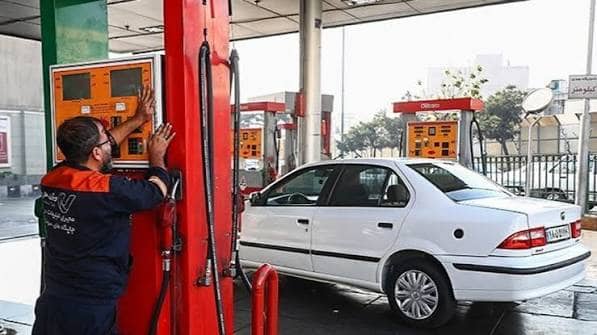
Iran has increased petrol prices for motorists who consume more than 110 litres of fuel per month, as the government faces declining revenues and growing pressure to sustain its costly fuel subsidy programme.
Under the new pricing arrangement, motorists will continue to pay 50,000 rials per litre for their first 110 litres each month.
However, any fuel consumed beyond that limit will cost 100,000 rials per litre, effectively doubling the price.
The Iranian government has been considering changes to its fuel subsidy system for months as the country grapples with serious economic challenges linked to the war with the United States, international sanctions and disruptions affecting its ports and energy sector.
Iran has traditionally maintained some of the lowest petrol prices in the world, but officials say rising domestic consumption and falling revenues are making the current subsidy system increasingly difficult to maintain.
Speaking on television earlier this month, Iranian Parliament Speaker Mohammad Bagher Ghalibaf urged citizens to use fuel more efficiently.
“If we consume it properly, we can manage with the amount of gasoline we produce in the country,” he said, adding that reducing fuel consumption had become necessary.
He also noted that part of the country’s high fuel consumption was linked to industrial factors rather than ordinary citizens.
The country is currently consuming more petroleum products than it produces domestically, while its oil production and export capacity remain below pre-war levels.
The latest price increase has also raised concerns about possible public unrest. Videos circulating on social media reportedly show long queues of motorists at petrol stations in Tehran, although the reports could not be independently verified.
This is the second petrol price increase in Iran since December. Previous increases have triggered public anger, with major anti-government protests erupting in 2019 after authorities raised fuel prices.
The latest development comes as Iranians continue to face worsening economic conditions, including high inflation, declining economic activity and a significant loss in the value of the national currency, the rial.
The government is now under pressure to balance the need to control fuel consumption and reduce subsidy costs with concerns that further price increases could place additional financial pressure on households and fuel-dependent businesses.
Join us on our WhatsApp Platform @KOIKIMEDIA NEWS YOUR PAGE
Koikimedia Bringing the World 🌎 Closer to Your Doorstep

[mc4wp_form id=2402]