Physical Address
304 North Cardinal St.
Dorchester Center, MA 02124
Physical Address
304 North Cardinal St.
Dorchester Center, MA 02124

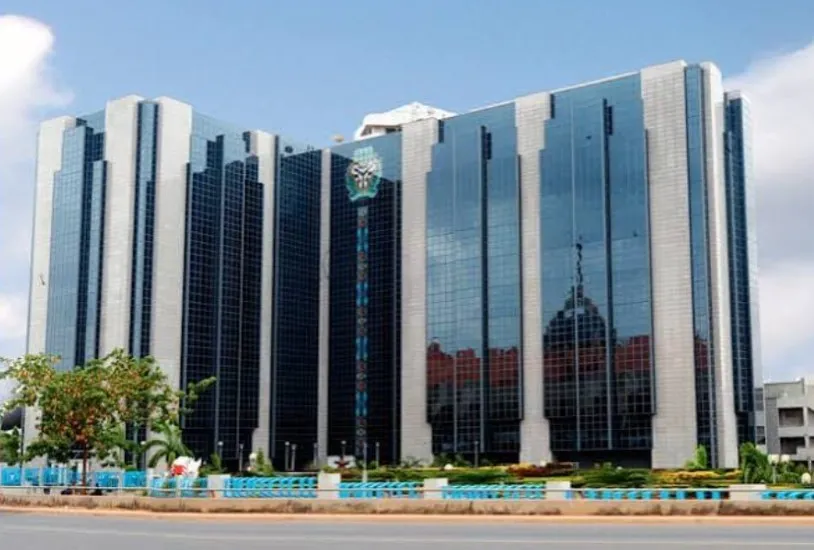
Nigeria’s money market recorded a significant improvement in liquidity on Wednesday, as increased cash availability across the banking system eased funding pressures and contributed to a decline in interbank borrowing rates.
According to financial market data from AIICO Capital Limited, system liquidity rose by 35.53 per cent to N7.40tn during the trading session.
This represented an increase of about N1.94tn from the previous day, highlighting a substantial improvement in the amount of funds available to banks and other financial institutions.
The rise in liquidity was largely driven by coupon inflows and stronger placements by banks with the Central Bank of Nigeria’s Standing Deposit Facility.
The increased placements indicated that financial institutions had sizeable cash balances that could either be invested in financial instruments or placed with the apex bank for short-term returns.
The improved liquidity position also reduced the need for banks to obtain emergency or short-term funding from the CBN.
Market analysts reported that there was no utilisation of the Standing Lending Facility during the day, suggesting that banks were able to meet their immediate funding requirements without depending heavily on the central bank’s lending window.
The increased availability of funds subsequently helped to ease pressure on overnight borrowing costs.
The overnight interest rate fell by two basis points to 22.12 per cent, while the Open Repo Rate remained unchanged at 22.00 per cent.
Meanwhile, liquidity conditions in the financial system could receive another significant boost from about N2.32tn in expected maturities from the CBN’s Open Market Operation securities.
Such maturities would ordinarily release additional funds into the banking system and potentially provide further support for market liquidity.
However, the CBN simultaneously conducted an OMO auction that absorbed approximately N2.8tn from the financial system.
The move effectively offset a substantial portion of the expected liquidity injection from the maturities.
The opposing flows demonstrate the CBN’s continued active management of liquidity in the banking sector.
While the apex bank allows funds to enter the system when necessary, it also withdraws excess cash through instruments such as OMO auctions to prevent excessive liquidity from pushing short-term interest rates sharply lower or creating instability in the money market.
The latest development comes amid continued efforts by financial authorities to maintain stability in Nigeria’s banking and fixed-income markets.
The level of liquidity available to banks remains an important factor in determining short-term interest rates, borrowing costs and the overall functioning of the money market.
With system liquidity increasing substantially and interbank rates easing, market conditions appeared more favourable during the session. Increased trading activity also helped to sustain positive sentiment in the fixed-income market.
Analysts are expected to continue monitoring the impact of the CBN’s liquidity-management operations, particularly as upcoming security maturities and further OMO auctions could influence the amount of cash circulating within the financial system in the coming sessions.
Join us on our WhatsApp Platform @KOIKIMEDIA NEWS YOUR PAGE
koikimedia Bringing the World 🌎 Closer to Your Doorstep

[mc4wp_form id=2402]