Physical Address
304 North Cardinal St.
Dorchester Center, MA 02124
Physical Address
304 North Cardinal St.
Dorchester Center, MA 02124

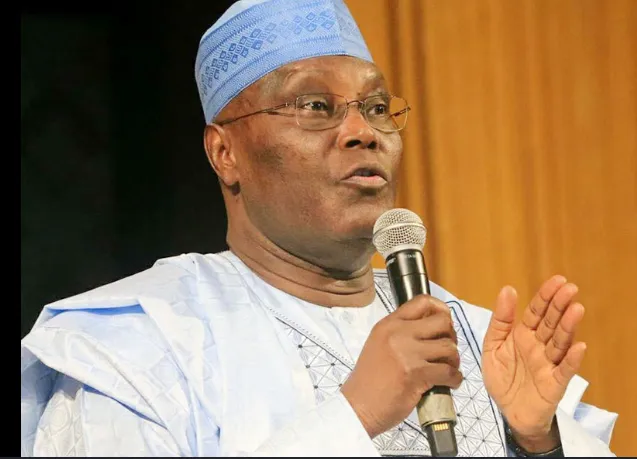
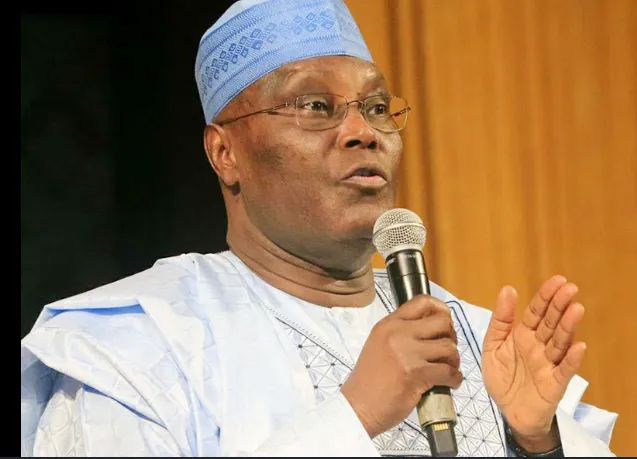
The Independent Media and Policy Initiative has warned that former Vice President Atiku Abubakar’s proposal to restore fuel subsidies could weaken investor confidence and discourage foreign investment in Nigeria’s oil and gas sector.
The policy think tank said the proposal could create uncertainty for investors by suggesting that Nigeria might return to regulated petrol pricing after more than three years of pursuing deregulation in the downstream petroleum sector.
Atiku, in his proposed economic recovery plan, called for a shift from a consumption subsidy to a production-based subsidy. Under his proposal, local refineries would receive crude oil at discounted prices, with the savings expected to be passed on to consumers through lower petrol prices.
However, IMPI, through its Chairman, Omoniyi Akinsiju, argued that the arrangement could become complicated and expose the petroleum industry to politically determined pricing.
According to the group, requiring public and private refineries to obtain crude at discounted rates in exchange for lower pump prices could undermine the commercial principles established under the Petroleum Industry Act.
Akinsiju warned that such a policy could send a negative message to international investors and raise concerns about Nigeria’s regulatory stability.
He said a return to regulated petrol prices could also discourage foreign capital and affect the development of public-private partnerships needed to finance major infrastructure projects.
IMPI further argued that the proposed subsidy could create the appearance of cheaper petrol while effectively transferring the cost of the intervention from direct government payments to discounted crude oil allocations.
The group also warned that fixed petrol price controls could reduce the incentive for marketers to distribute products to remote communities, potentially concentrating supplies in major cities such as Lagos, Abuja, Kano and Port Harcourt.
The debate comes more than three years after President Bola Tinubu announced the removal of petrol subsidy in his May 29, 2023 inaugural address.
The decision led to a sharp increase in petrol prices and transportation costs.
According to figures cited in the report, petrol prices increased from N175 per litre in May 2023 to around N1,300 by May 2026.
The subsidy removal has remained controversial, with supporters arguing that it has freed significant resources for government, while critics maintain that the policy has placed a heavy financial burden on households and businesses.
Finance Minister Taiwo Oyedele previously said subsidy and foreign exchange reforms generated an additional N15.8tn for the Federation between June 2023 and December 2025.
Of the amount, N5.43tn went to the Federal Government, N6.52tn to states and N3.88tn to local governments.
IMPI maintained that returning to a subsidised fuel regime could recreate the financial pressures associated with the former system, when substantial portions of oil revenue were used to finance petrol subsidies before funds reached the Federation Account.
The organisation said Atiku’s proposal could therefore reduce the resources available to state and local governments for infrastructure, healthcare, water supply and other public services.
It also warned that price controls could lead to fuel shortages in rural areas and encourage black-market activities, potentially increasing transportation costs and worsening food inflation.
IMPI urged the Federal Government to focus instead on policies that increase productivity, improve infrastructure and reduce the cost of doing business.
However, economists and energy experts remain divided over the best way forward.
The Chief Executive Officer of Petroleumprice.ng, Olatide Jeremiah, described Atiku’s production-focused proposal as potentially workable, arguing that government intervention may be necessary to reduce the burden on consumers as petrol prices remain high.
Energy expert Dan Kunle, however, said subsidy removal was the right policy but that its consequences had not been properly managed.
He argued that Nigeria would first need to significantly increase crude oil production before allocating large volumes of crude to local refineries at discounted prices.
Professor Akpan Ekpo opposed a complete return to fuel subsidies but supported targeted assistance for vulnerable Nigerians.
He suggested the use of fuel vouchers for low-income households and commercial transport operators.
Economist Professor Adeola Adenikinju also said a production subsidy could be preferable to a consumption subsidy but warned that vested interests could exploit the programme and make it difficult for the government to eventually end it.
He called for greater transparency in the management of savings from subsidy removal and suggested that the funds be channelled into a dedicated programme for clearly identified projects in roads, railways, education and healthcare.
The ongoing debate reflects the difficult balance Nigeria faces between protecting consumers from high fuel prices and maintaining fiscal discipline, market stability and investor confidence in the petroleum sector.
Join us on our WhatsApp Platform @KOIKIMEDIA NEWS YOUR PAGE
koikimedia Bringing the World 🌎 Closer to Your Doorstep

[mc4wp_form id=2402]