

The census, partly delayed by the COVID-19 pandemic, began on Wednesday and is scheduled to run until March 31 next year
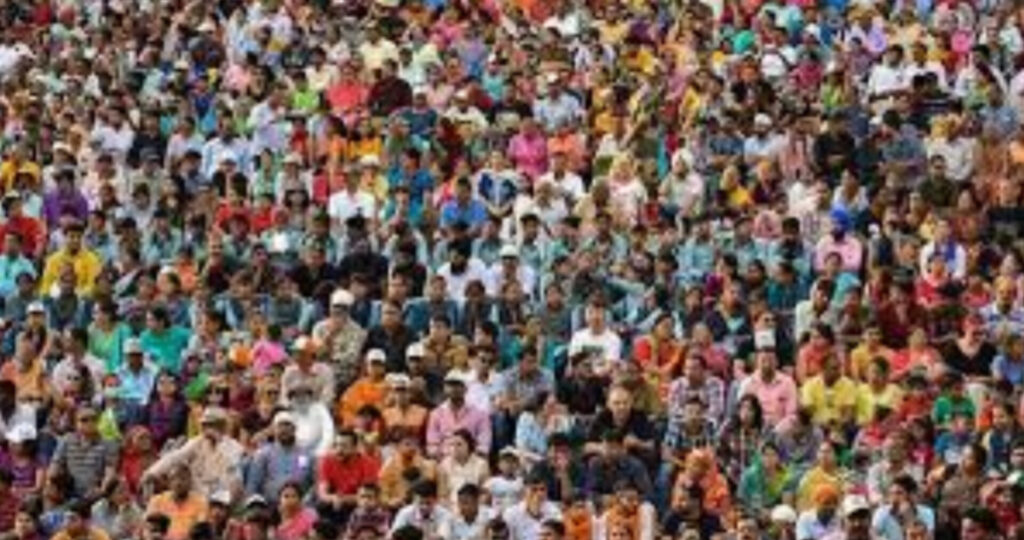
More than three million officials in India have launched the world’s largest national population count, a year-long exercise that could reshape welfare programmes and political representation across the country.
The census, partly delayed by the COVID-19 pandemic, began on Wednesday and is scheduled to run until March 31 next year.
Census workers will initially spend about a month gathering information from households, including details on housing and living conditions.
Data will be collected through both in-person surveys and online platforms, with residents able to submit information via a smartphone app.
A second phase, starting in September, will gather more detailed data on people’s social and economic characteristics, including religion and caste.
Caste, an ancient system of social hierarchy in India, continues to influence social status and access to resources, education, and economic opportunities.
India has hundreds of caste groups, particularly among Hindus, but lacks up-to-date data on their population distribution.
Successive governments have avoided conducting a comprehensive caste count, citing concerns that it could increase social tensions and unrest.
The census data will play a crucial role in determining the allocation of government welfare programmes and shaping public policies.
It may also lead to changes in India’s political landscape, as parliamentary and state assembly seats could be adjusted to reflect population growth.
Join us on our WhatsApp Platform @KOIKIMEDIA NEWS YOUR PAGE
koikimedia Bringing the World 🌎 Closer to Your Doorstep