

By Titilope Adako
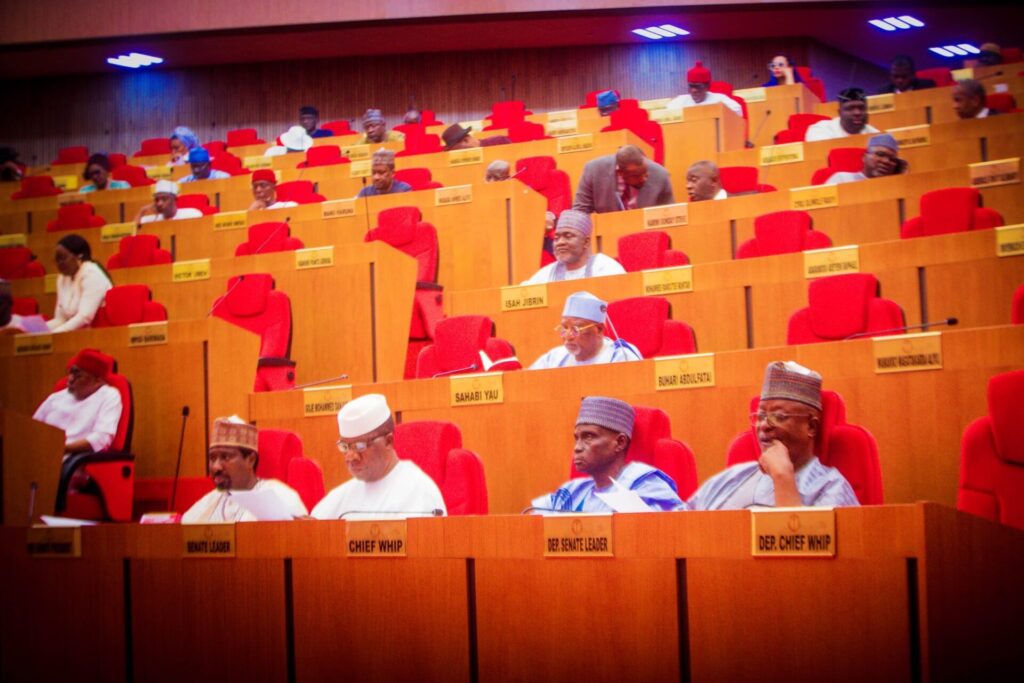
The House of Representatives Committee on Constitution Review is pushing for an amendment to the 1999 Constitution to change how the Chairman of the Independent National Electoral Commission (INEC) is appointed.
Sources familiar with the proposal said the amendment would shift the responsibility of appointing the INEC Chairman from the President to the National Judicial Council (NJC), in a bid to protect the electoral body from political interference and boost public trust in Nigeria’s democratic process.
The move reflects a key recommendation made in 2007 by the Electoral Reform Committee chaired by the late Chief Justice of Nigeria, Muhammadu Uwais, which advised that the NJC, not the President, should appoint the INEC Chairman, and that INEC’s funding should be charged directly to the Consolidated Revenue Fund.
Former INEC Chairman, Prof Attahiru Jega, described the development as “a welcome one,” saying it would reduce executive interference in the electoral process.
“This proposal is one of the sound recommendations that could help in insulating the electoral body from undue political and executive pressures. It is essential for entrenching credibility and integrity in our democratic processes,” Jega told Sunday PUNCH.
Also reacting, Executive Director of YIAGA Africa, Samson Itodo, expressed support for the bill but warned that the NJC’s impartiality must not be taken for granted.
“We must ask if the NJC is non-partisan enough to oversee such a delicate responsibility. Over time, we’ve seen presidents appoint loyalists and politically exposed individuals to head INEC. That’s why YIAGA Africa referred to the situation as institutional capture,” he said.
Itodo called for a broader multi-stakeholder appointment committee, with nominees forwarded to the National Assembly for screening before final confirmation by the President.
Executive Director of the Civil Society Legislative Advocacy Centre (CISLAC), Auwal Rafsanjani, backed the NJC’s involvement, noting that it could restore public confidence in both the electoral system and the judiciary.
“The involvement of the NJC will not only enhance the integrity of INEC but also serve to improve the credibility of the judiciary. Successive presidents have flouted constitutional provisions that bar partisanship in INEC leadership. The NJC, with its expected neutrality, could help correct that anomaly,” he said.
However, not all stakeholders support the idea. Constitutional lawyer and public affairs commentator, Abdul Mahmud, criticised the proposal as flawed, questioning the NJC’s own credibility.
“To entrust the NJC with such a vital role is like asking the fox to guard the henhouse. We’re not deepening democracy here; we’re merely shifting power among a closed group of insiders,” he argued.
He referenced recent controversies involving the judiciary, including the retirement of Justice Olukayode Ariwoola and visa denial of Justice Kudirat Kekere-Ekun, suggesting these incidents further undermine public trust.
Dr Joe Okei-Odumakin, Founder of Women Arise and a pro-democracy activist, said the proposed change may not solve the problem if the President still has the final say.
“It’s important that whoever is involved in this process acts with integrity and patriotism. The true test will be whether this review translates into real independence for INEC,” she said.
Public affairs analyst, Jackson Ojo, also raised concerns, warning that the NJC could be politicised just like other state institutions.
“The judiciary itself is struggling with trust issues. This amendment won’t mean much unless the process is truly transparent and inclusive,” he said.
Join us on our WhatsApp Platform @KOIKIMEDIA NEWS YOUR PAGE
KoikiMedia Bringing the World 🌎 Closer to Your Doorstep