

The plan, contained in a draft amendment to the 2022 Electoral Act, seeks to bring the polls forward by about six months to ensure that all pre- and post-election litigations are concluded before the May 29, 2027, handover date
By Titilope Adako
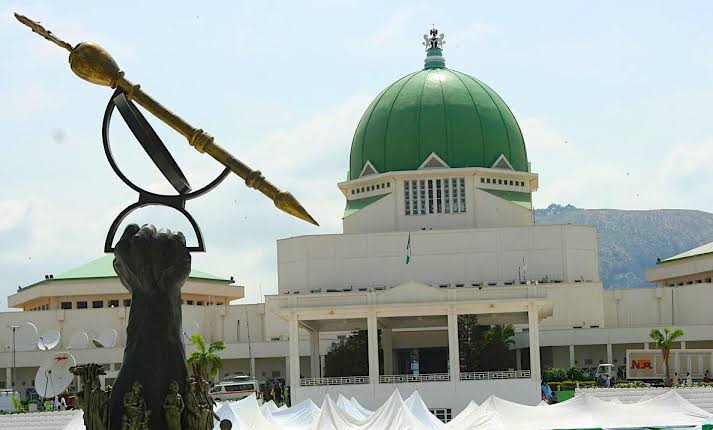
A proposal by the National Assembly to shift the 2027 presidential and governorship elections to November 2026 has drawn sharp criticism from opposition parties and political groups across the country.
The plan, contained in a draft amendment to the 2022 Electoral Act, seeks to bring the polls forward by about six months to ensure that all pre- and post-election litigations are concluded before the May 29, 2027, handover date.
According to the proposed amendment, presidential and governorship elections would be held not later than 185 days before the expiration of their current tenures, while legislative elections would take place not later than 185 days before the dissolution of the National and State Assemblies.
Chairman of the House Committee on Electoral Matters, Adebayo Balogun, defended the proposal during a joint public hearing on Monday, saying it was intended to “ensure that all election litigations are concluded before the swearing-in of winners.”
He added that the amendment also seeks to shorten the 180-day period for tribunal judgments to 90 days, with appeal and Supreme Court decisions to be delivered within 60 and 35 days respectively.
But opposition figures have rejected the move, describing it as an attempt to manipulate the electoral process.
Deputy National Youth Leader of the Peoples Democratic Party (PDP), Timothy Osadolor, accused the National Assembly of trying to “buy more time” for President Bola Tinubu.
He said, “The National Assembly should not be thinking of tinkering with the Electoral Act in this regard. If their plan is to give President Bola Tinubu an opportunity to stay a bit longer before he goes, they should own up. The move is ill-timed and not in the best interest of Nigerians.”
The National Publicity Secretary of the New Nigeria Peoples Party (NNPP), Ladipo Johnson, also warned that the proposed change could put opposition parties at a disadvantage.
“Those in government will be better prepared, while other parties will be forced to go back to the drawing board. Holding elections in November 2026 may be too early for those expecting February or March 2027,” he said.
Similarly, the National Coordinator of the Obidient Movement Worldwide, Yunusa Tanko, faulted the plan, urging lawmakers to seek public input before making such a sensitive decision.
“Anything that the National Assembly wants to do, they should subject it to public opinion first. They shouldn’t do things only in their interest. We have seen in the past how such unilateral actions backfire,” Tanko warned.
Join us on our WhatsApp Platform @KOIKIMEDIA NEWS YOUR PAGE
KoikiMedia Bringing the World 🌎 Closer to Your Doorstep