

The 56-year-old cleric, now tasked with leading the Islamic Republic through the most serious crisis in its 47-year history, was selected by senior clerics on Sunday to succeed his father
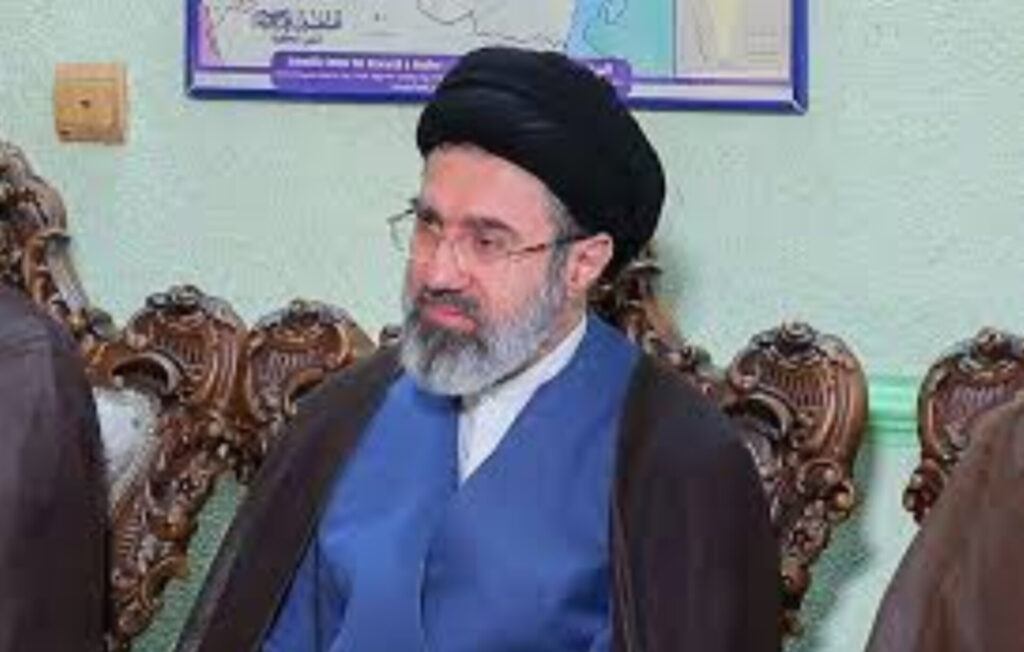
Mojtaba Khamenei has been named Iran’s new Supreme Leader, just over a week after the assassination of his father, Ali Khamenei, in joint United States–Israeli strikes that have pushed the Middle East into a wider regional war.
The 56-year-old cleric, now tasked with leading the Islamic Republic through the most serious crisis in its 47-year history, was selected by senior clerics on Sunday to succeed his father.
Key figures in Iran’s leadership, including the powerful Islamic Revolutionary Guard Corps (IRGC) and the country’s armed forces, quickly pledged their support to the new leader.
Ali Larijani, secretary of the Supreme National Security Council and the official overseeing Iran’s security strategy since the United States and Israel launched their offensive, called on the country to unite behind the new Supreme Leader.
Meanwhile, Parliament Speaker Mohammad Bagher Ghalibaf welcomed the decision, saying loyalty to the new leader was both a “religious and national duty”.
Although Mojtaba Khamenei has never held elected office or faced a public vote, he has long been considered an influential figure within his father’s inner circle and has developed strong ties with the IRGC.
In recent years, he had increasingly been seen as a leading candidate to succeed his father. His appointment may signal that hard-line factions within Iran’s leadership remain firmly in control, potentially reducing the chances of negotiations or a political settlement as the conflict enters its second week.
As clerics announced the new Supreme Leader, a dark haze hung over Tehran after Israeli strikes overnight hit five oil facilities in and around the capital, setting them on fire and sending thick smoke into the sky.
With the war entering its ninth day, the IRGC said it had enough supplies to continue drone and missile attacks across the Middle East for up to six months.
IRGC spokesperson Ali Mohammad Naini said Iran had so far used only first- and second-generation missiles but warned that “advanced and less-used long-range missiles” could be deployed in the coming days.
Meanwhile, Donald Trump again declined to rule out sending American ground troops into Iran, though he continued to claim the war was close to being won despite ongoing Iranian missile and drone attacks.
Analysts warn there is still no clear path to ending the conflict, which officials in both the United States and Israel say could continue for a month or longer.
Join us on our WhatsApp Platform @KOIKIMEDIA NEWS YOUR PAGE
koikimedia Bringing the World 🌎 Closer to Your Doorstep