

The conflict began on February 28 when the US and Israel launched strikes on Iran
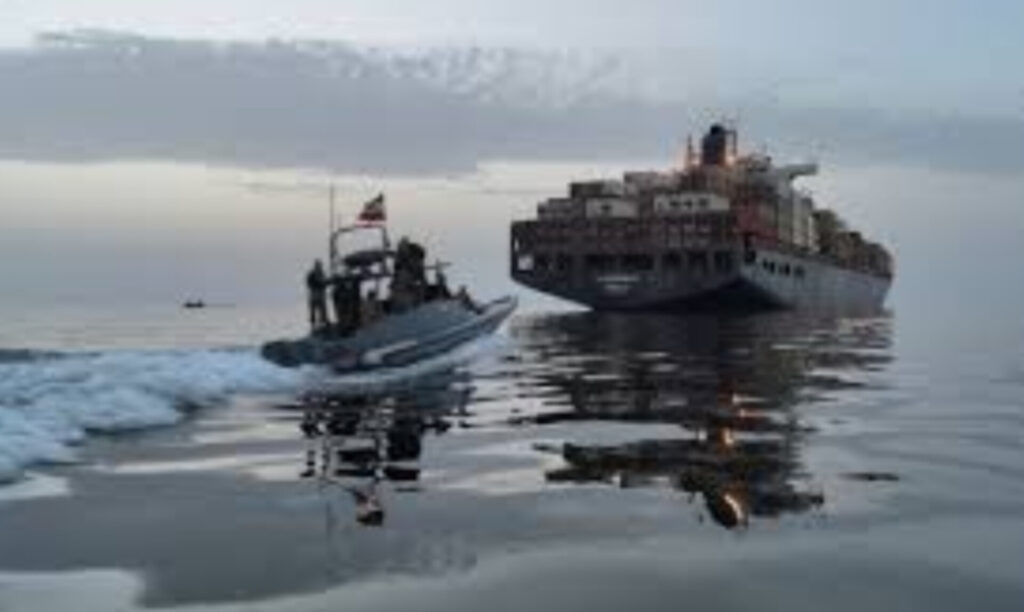
With the United States–Israel war on Iran entering its 60th day, experts say there is still no clear end in sight as negotiations remain stalled amid rising oil prices and inflation pressures.
The conflict began on February 28 when the US and Israel launched strikes on Iran.
In response, Tehran shut down the Strait of Hormuz, a key maritime corridor linking the Gulf to the Gulf of Oman.
Roughly 20 percent of the world’s oil and gas exports pass through the waterway from the Middle East, primarily heading to Asia and Europe.
More recently, the United States has introduced its own blockade aimed at restricting ships carrying Iranian oil, with the goal of pressuring Tehran to halt production once storage capacity is exhausted and to push it toward a negotiated settlement.
As the standoff continues, global oil prices have surged. On Tuesday, West Texas Intermediate (WTI) crude stood at $100.09 per barrel at 12:30 pm ET (16:30 GMT), up from $67.02 before the conflict began. Brent crude was trading at $111.85, compared to $72.87 on February 27.
In the United States, fuel prices have climbed to their highest level in nearly four years, with the national average for petrol reaching about $4.18 per gallon ($1.10 per litre), up from $2.92 in late February, according to the American Automobile Association.
“Negotiations seem stalled … and any near-term resolution seems difficult,” said Rachel Ziemba, adjunct senior fellow at the Center for a New American Security.
“The US economy is more resilient than some others, but at the end of the day, we’re going to see a global impact on prices,” Ziemba added.
Join us on our WhatsApp Platform @KOIKIMEDIA NEWS YOUR PAGE
koikimedia Bringing the World 🌎 Closer to Your Doorstep