

The leaked evaluation by the Defence Intelligence Agency (DIA) suggested that while entrances to key nuclear sites like Fordo and Natanz were sealed off, the underground facilities remained largely intact
By Titilope Adako
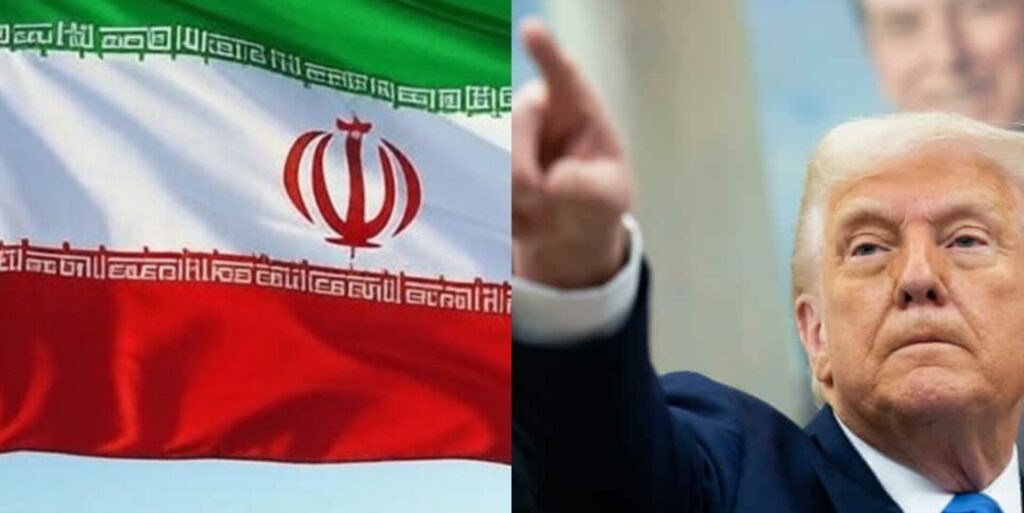
US President Donald Trump has rejected a leaked intelligence report claiming recent US airstrikes on Iran only delayed its nuclear programme by a few months, insisting the strikes caused massive destruction.
Speaking at a NATO summit in The Hague on Wednesday, Trump said the attacks led to the “virtual obliteration” of Iran’s nuclear infrastructure, setting the country’s programme back “by decades”.
His Defence Secretary, Pete Hegseth, described the leaked Pentagon assessment as a “low confidence” report and said the FBI had launched an investigation into the leak.
According to him, “any assessment that tells you it was something otherwise is speculating with other motives”, describing the leak as “completely false”.
The leaked evaluation by the Defence Intelligence Agency (DIA) suggested that while entrances to key nuclear sites like Fordo and Natanz were sealed off, the underground facilities remained largely intact.
Sources also said Iran’s enriched uranium stockpile was not destroyed and that many of its centrifuges were still operational.
However, the White House dismissed the leaked findings as “flat-out wrong”.
At the summit, Trump initially acknowledged some uncertainty, calling the intelligence “very inconclusive”, but quickly contradicted that position, stating, “It was very severe. It was [an] obliteration.”
Asked whether the US would consider further strikes if Iran resumed nuclear activities, Trump replied, “Sure, but I’m not going to have to worry about that. It’s gone for years.” He later likened the strikes to the US atomic bombings of Hiroshima and Nagasaki, calling them similarly decisive.
Secretary of State Marco Rubio and Hegseth backed Trump’s stance, accusing those behind the leak of being politically motivated. Rubio labelled them “professional stabbers” and questioned the credibility of the media reports.
According to the DIA’s preliminary findings, the US strikes damaged infrastructure above ground and blocked some facility entrances. However, Iran reportedly evacuated sensitive materials ahead of the strike, limiting the effectiveness of the attack.
US and Israeli officials have maintained that the mission was a success. General Dan Caine, chairman of the Joint Chiefs of Staff, confirmed that all three targeted sites—Fordo, Natanz, and Isfahan—suffered “extremely severe damage”.
Satellite images showed fresh craters and widespread dust at Fordo, but the extent of underground damage remains unclear.
Iran, for its part, said it had removed critical materials from the sites in advance. A top Iranian official claimed the strikes caused no major loss.
Tehran insists its nuclear programme is intended solely for peaceful purposes.
Join us on our WhatsApp Platform@KOIKIMEDIA NEWS YOUR PAGE
KoikiMedia Bringing the 🌎 World Closer to Your Doorstep